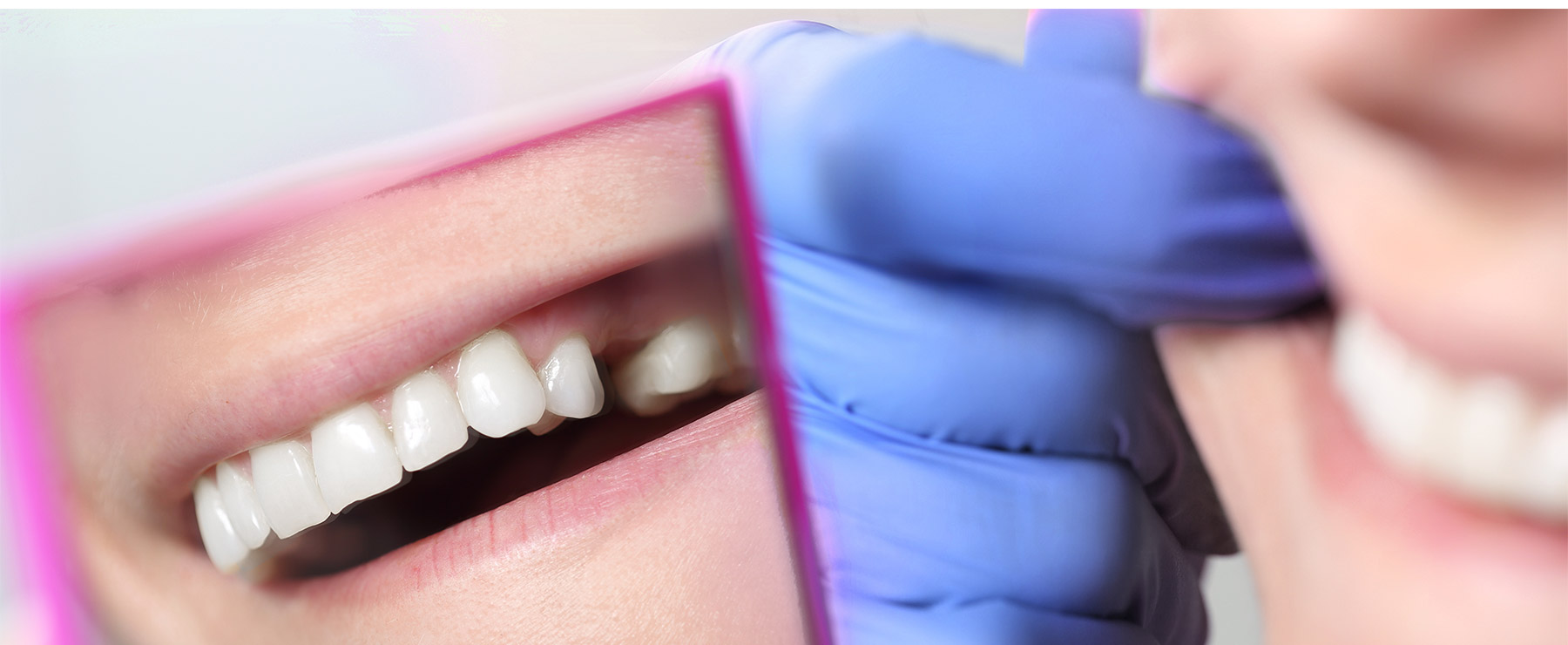
A missing tooth is more than a gap in your smile. Left untreated, it sets off a chain of changes throughout your mouth that get harder, and more expensive, to reverse the longer you wait. Anyone missing a tooth should talk with a dentist about dental implants or another replacement option as soon as possible. Here’s why timing matters.

What Happens to Your Jawbone When You Lose a Tooth?

Tooth roots continuously stimulate the jawbone beneath them, signaling the body to maintain bone density in that area. Once a tooth is lost, that stimulation stops, and the bone that once supported it begins to resorb back into the body. Over time, this bone loss can change the shape of your jaw and even affect your facial appearance, making your face look sunken or prematurely aged. A dental implant is the only tooth replacement option that replicates a natural tooth root, since the titanium or ceramic post integrates directly with the jawbone and continues to provide that stimulation, helping preserve bone density and a more youthful facial structure.

Why Does a Missing Tooth Increase Your Risk of Gum Disease?

Missing teeth make it significantly harder to keep your mouth clean. Gaps are difficult to brush effectively, giving bacteria more opportunity to grow along the gumline. On top of that, neighboring teeth tend to drift out of position to fill the space, creating crowding and hard-to-reach areas that trap plaque. When teeth no longer fit together properly, brushing and flossing become less effective, which raises your risk of both cavities and gum disease throughout your mouth, not just at the site of the missing tooth.

Can a Missing Tooth Affect Your Nutrition?

Yes. Even one missing tooth, particularly a molar, makes chewing certain foods noticeably harder. Nuts, seeds, steak, and raw vegetables all require solid chewing surfaces, and many people with missing teeth unconsciously shift toward softer, more processed foods like packaged snacks and refined carbohydrates to avoid discomfort. Over time, that shift can affect overall nutrition. Replacing a missing tooth with a dental implant restores full chewing function, so you can maintain a varied, healthy diet without working around the gap.

What Other Problems Can an Untreated Gap Cause?

Beyond bone loss, gum disease risk, and dietary changes, an unreplaced missing tooth can also affect your bite alignment as surrounding teeth shift, which sometimes leads to jaw discomfort or uneven wear on your remaining teeth. Many patients also notice a change in speech or confidence, particularly when the gap is visible when they smile or talk.

How Do Dental Implants Compare to Other Replacement Options?

Bridges and removable dentures can restore appearance and some function, but neither replaces the tooth root, so neither prevents the underlying bone loss that starts once a tooth is missing. Dental implants are the only option that addresses the problem at its source. While implants typically involve a higher upfront investment and a longer treatment timeline, they’re built to last for decades with proper care, making them the strongest long-term solution for most patients.

What Should You Do If You’re Missing a Tooth?

The most important step is not to wait. The longer a gap goes unaddressed, the more bone loss, shifting, and secondary problems have time to develop, and the more complex treatment can become down the road. A consultation with your dentist can determine which replacement option fits your specific situation and get treatment started before minor changes turn into bigger ones.

How Soon Should You Address a Missing Tooth?

Ideally, treatment planning should start as soon as possible after a tooth is lost, whether from extraction, injury, or decay. Bone loss and shifting begin gradually, but they compound over time, and each month of delay can make future treatment slightly more complex. Even if you’re not ready to commit to a permanent replacement right away, scheduling a consultation early gives you a clearer picture of your timeline and options, rather than making that decision under pressure once other problems have developed.

Frequently Asked Questions

How quickly does bone loss start after losing a tooth? Bone loss can begin within months of losing a tooth and tends to accelerate the longer the gap goes untreated, which is why early evaluation matters.

Is it worth replacing a tooth that isn’t visible when I smile? Yes. Even back teeth affect your bite, chewing ability, and long-term bone health, regardless of whether the gap is visible.

Can I wait a few years to decide on a replacement option? You can, but the bone loss and shifting that happen during that time may reduce your future options or make treatment more involved, including the potential need for bone grafting before implant placement.

Are dental implants the only good option for a missing tooth? No, but they’re the only option that replaces the tooth root and prevents bone loss. Bridges and dentures remain reasonable choices depending on your health, budget, and goals.

Does a missing tooth really affect my other teeth? Yes. Neighboring and opposing teeth often shift or over-erupt into the empty space, which can affect your bite and make those teeth harder to clean.

How do I know if I’m a candidate for a dental implant? A consultation, including an evaluation of your bone volume and gum health, is the best way to determine candidacy. Bone loss doesn’t automatically rule someone out.

Will insurance help cover the cost of replacing a missing tooth? Many dental plans cover at least part of the cost, depending on the replacement option chosen. Your dentist’s office can help you understand your specific benefits.

Schedule Your Consultation Today

Don’t wait for a missing tooth to cause bigger problems. Schedule an appointment with Dr. Robert B. Steadman and Dr. Grant Steadman in Richmond, VA, and let our team help you explore your options for restoring your smile and your oral health. Call (804) 575-5865 to get started.