
Waking up with a sore jaw, tight facial muscles, or a dull headache might not seem like a dental issue at first, but it’s often a sign of nighttime teeth grinding or TMJ disorder. Because grinding and clenching typically happen during sleep, many people don’t realize it’s happening until the discomfort becomes hard to ignore. Here’s what TMJ disorder actually is, what causes it, and how it’s treated at Steadman Family Dentistry.
What Is TMJ Disorder?
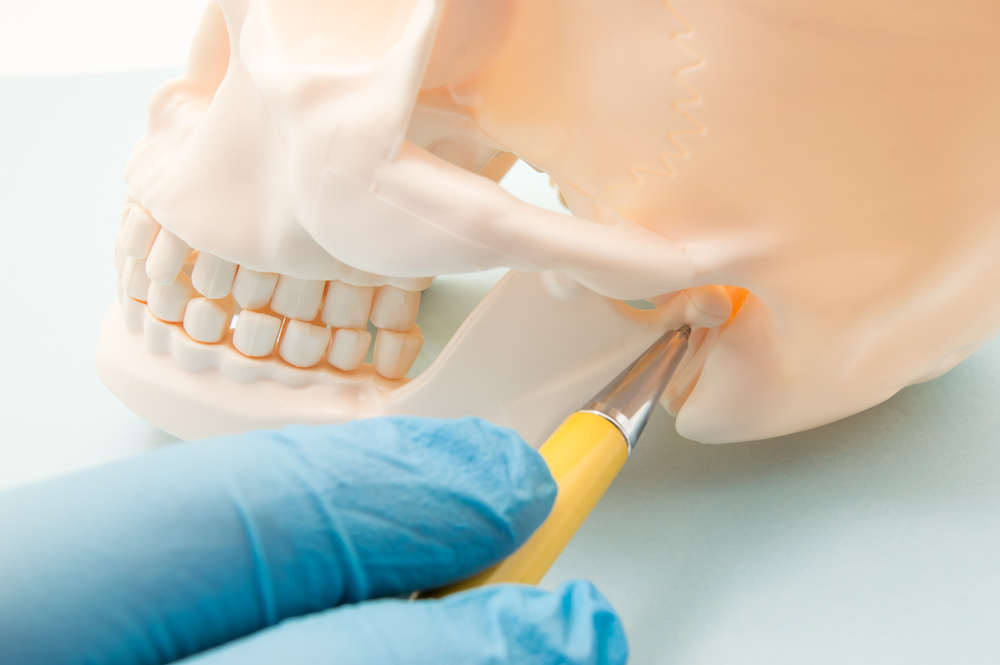
TMJ stands for the temporomandibular joint, the joint on each side of your jaw that connects your lower jaw to your skull and allows you to talk, chew, and open and close your mouth. TMJ disorder, sometimes called TMD, refers to a range of conditions that affect this joint and the muscles around it, causing pain, stiffness, clicking, or limited jaw movement.
What Causes TMJ Disorder?
TMJ disorder can develop from several different sources, and it’s common for more than one factor to be involved at once.
Teeth grinding and clenching, known as bruxism, is one of the most common contributors. This often happens unconsciously during sleep, putting repeated strain on the jaw joint and surrounding muscles.
Jaw misalignment can place uneven pressure on the joint every time you bite, chew, or speak, gradually leading to inflammation and discomfort.
Stress and anxiety frequently show up physically as jaw clenching, even without a person realizing it, particularly during periods of high stress or poor sleep.
Jaw injury or arthritis can directly damage the joint structure itself, leading to chronic TMJ symptoms that require targeted treatment.
What Are the Symptoms of TMJ Disorder?
The most common signs include a sore or tired jaw, especially in the morning, along with headaches, earaches, or facial pain that doesn’t have another obvious cause. Some patients notice clicking, popping, or grinding sounds when opening or closing their mouth, while others experience their jaw locking or getting stuck in an open or closed position. Tooth sensitivity or visible wear on the teeth from grinding is another common indicator, along with general neck or shoulder tension that seems to trace back to jaw clenching.
How Is TMJ Disorder Diagnosed?
A dentist can typically identify signs of TMJ disorder during a routine exam by checking for jaw tenderness, listening for joint sounds, and looking for wear patterns on the teeth that suggest grinding. In some cases, your dentist may also review your bite alignment and ask about your stress levels, sleep habits, and any headaches or facial pain you’ve been experiencing, since these details help determine the underlying cause and the most effective treatment approach.
How Is TMJ Disorder Treated?
Night Guards
A custom night guard is one of the most common and effective treatments for TMJ symptoms related to grinding or clenching. The guard creates a cushion between your upper and lower teeth, which reduces the direct pressure and friction that comes from grinding. This not only eases strain on the jaw joint but also protects your teeth from chipping, cracking, or excessive wear over time. Mouthguards can be custom-fitted for maximum comfort and effectiveness compared to over-the-counter versions.
Bite Adjustment
If misalignment is contributing to your TMJ symptoms, your dentist may recommend adjustments to how your teeth meet, which can help distribute pressure more evenly across your jaw.
Lifestyle and Stress Management
Since stress-related clenching is a common trigger, your dentist may also suggest simple habit changes or relaxation techniques alongside other treatment, particularly for patients whose symptoms flare up during stressful periods.
When Should You See a Dentist About Jaw Pain?
If you’re regularly waking up with a sore or tight jaw, experiencing frequent headaches without another clear cause, or noticing new clicking or popping when you chew, it’s worth having a dental professional evaluate your jaw. Left untreated, TMJ disorder can worsen over time and lead to more significant discomfort or tooth damage from ongoing grinding.
Can TMJ Disorder Affect More Than Your Jaw?
Yes. Because the muscles involved in jaw movement connect to your neck, shoulders, and even the muscles around your eyes and ears, TMJ disorder can cause symptoms that seem unrelated to your teeth at first glance, including neck stiffness, shoulder tension, ringing in the ears, or dizziness. Patients are sometimes surprised to learn that ongoing headaches or ear discomfort trace back to jaw clenching, which is one reason a dental evaluation is worth considering even if the connection isn’t obvious.
Frequently Asked Questions
Is TMJ disorder serious? It varies. Some cases are mild and manageable with a night guard, while others involve chronic pain that benefits from a more comprehensive treatment plan. A dental evaluation can help determine the right approach for your situation.
How do I know if I grind my teeth at night? Since grinding typically happens during sleep, many people don’t realize they’re doing it. Common clues include a sore jaw upon waking, visible tooth wear, or a partner noticing the sound at night.
Can stress really cause TMJ symptoms? Yes. Stress and anxiety are common triggers for jaw clenching and teeth grinding, even in people who don’t otherwise think of themselves as stressed.
Do night guards actually work for TMJ pain? For many patients, yes. A custom night guard reduces the pressure and friction from grinding, which can significantly ease jaw discomfort and protect the teeth from wear.
Can TMJ disorder go away on its own? Mild cases sometimes improve with simple changes like stress management or a night guard, but ongoing or worsening symptoms usually benefit from professional evaluation and treatment.
Is a custom night guard better than a store-bought one? Generally, yes. A custom-fitted night guard from your dentist offers a more precise fit and better protection than a generic, one-size-fits-all option.
Get Relief from Jaw Pain
If you’re experiencing jaw soreness, headaches, or other signs of TMJ disorder, our dental professionals can help identify the cause and build a treatment plan around your needs. Schedule a consultation with Steadman Family Dentistry in Richmond, VA, or call (804) 575-5865 to start finding relief.