

This guide answers the common question can anyone get dental implants and explains who makes a good candidate, the steps involved, and what to do next to find out. You’ll learn what implants are, why people choose them, the medical and dental factors that affect candidacy, how dentists evaluate you, and options if you need prep work before implants.
What Are Dental Implants?
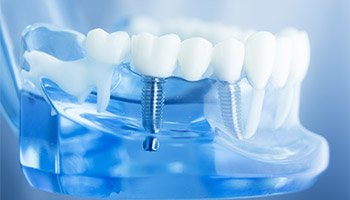
Dental implants are artificial tooth roots—usually a titanium post—placed into the jaw. An abutment connects the post to a crown, bridge, or denture. Implants replace single teeth, support multiple teeth, fix full-arch restorations, and stabilize loose dentures. Benefits include better chewing, a natural look and feel, and long-term stability compared with removable options.
Common Reasons People Seek Implants
– One or more missing teeth – Trouble chewing or speaking clearly – Poor-fitting or painful dentures – Wanting a long-term solution that looks natural – Improving smile confidence and facial support
Can Anyone Get Dental Implants? Key Candidacy Factors
The short answer is no—can anyone get dental implants isn’t universal. Candidacy depends on health, bone, oral condition, and habits. Many people are good candidates after evaluation or preparatory care.
Overall Health and Medical Conditions
Good general health helps implants heal properly. Uncontrolled diabetes, autoimmune diseases, or medications that affect bone healing can raise risks. Tell your dentist about all medical conditions and drugs so they can plan safely.
Jawbone Quantity & Quality
Bone shrinks after tooth loss. Implants need enough bone for stability. If bone is thin or low, solutions include bone grafting or a sinus lift. With grafting, many patients become good implant candidates.
Oral Health: Gums, Decay, and Bite
Active gum disease or untreated tooth decay must be treated first. A healthy gum and stable bite help implants last. Bite issues or heavy grinding may need adjustment or guards to protect the new restorations.
Age and Growth Considerations
Most adults can get implants, but younger patients whose jaws are still growing should wait until growth finishes. Older age alone isn’t a disqualifier if overall health and bone are adequate.
Lifestyle & Medication Factors
Smoking slows healing and raises failure risk. Certain osteoporosis drugs (bisphosphonates) or a history of head/neck radiation require special planning. Quitting smoking and coordinating with your physician about medications can improve outcomes.
How Dentists Evaluate If You’re a Candidate
Evaluation includes medical and dental history, a clinical exam, intraoral photos, and targeted tools like DIAGNOdent for decay. A CBCT 3D scan checks bone and nerve positions. Tekscan bite analysis and digital planning help design a safe, precise treatment.
Options If You’re Not an Immediate Candidate
Common preparatory steps: periodontal therapy to treat gum disease, bone grafts or sinus lifts to rebuild bone, extractions and healing time, smoking cessation, or coordinating medication changes. Temporary dentures or bridges can restore function while you prepare.
What To Expect During Implant Treatment
Typical steps: consultation and imaging, digital treatment planning, implant placement, a healing period for osseointegration, then final restoration with a crown, bridge, or denture. Total timeline varies with any preparatory work.
Risks, Success Rates, and Aftercare
Implants have high long-term success when maintained. Risks include infection, implant failure, or nerve issues, but careful planning reduces these. Aftercare means brushing, flossing, and regular dental visits.
How Steadman Family Dentistry Can Help
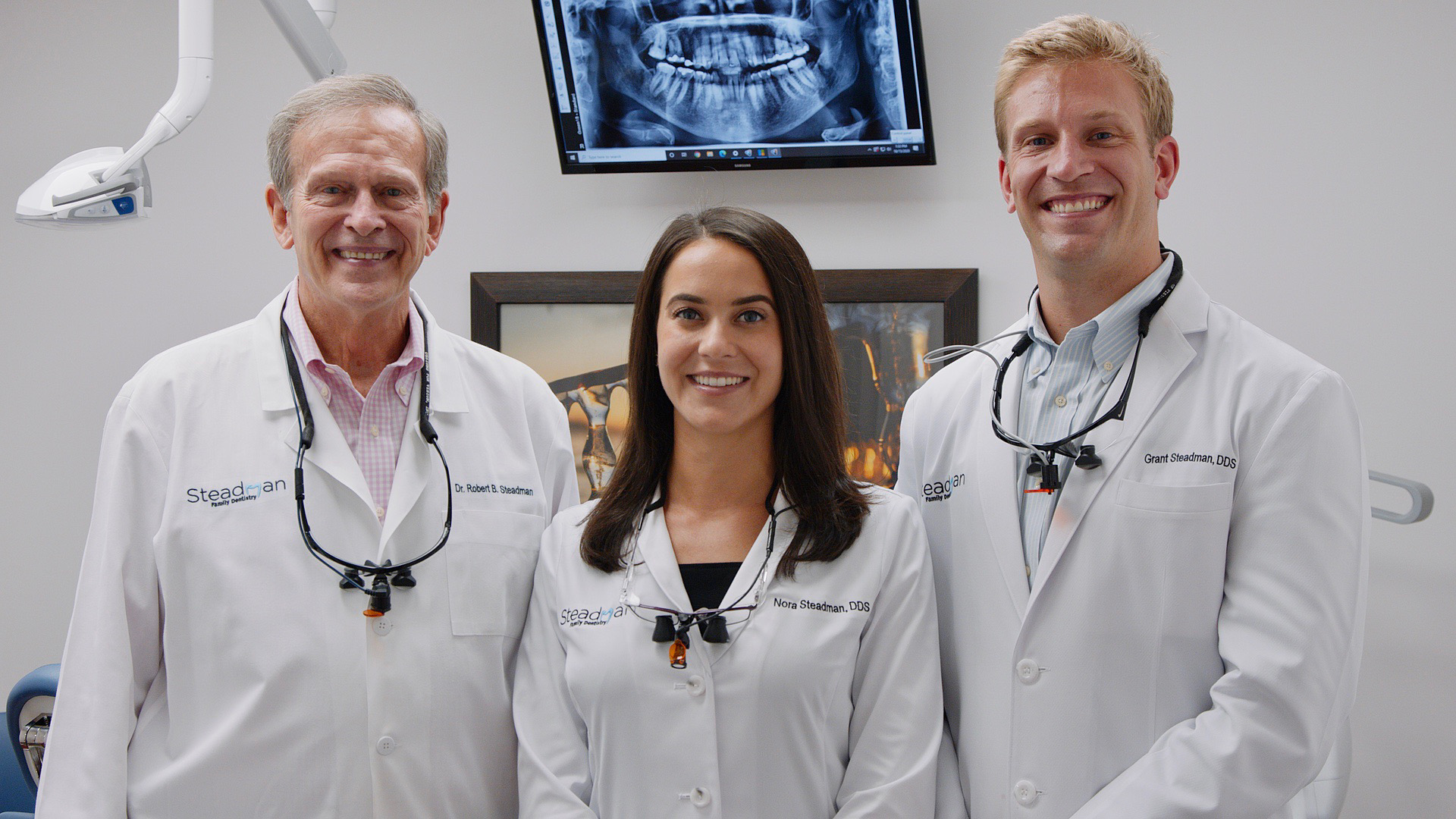
If you’re wondering can anyone get dental implants Richmond, VA, Steadman Family Dentistry in Richmond, VA offers on-site CBCT, DIAGNOdent, intraoral cameras, Digital Smile Design, and Tekscan to evaluate and plan implants. Our experienced doctors create personalized plans and guide you through any needed prep care.
Next Steps: Ready to Find Out If You’re a Candidate?
Schedule a consultation and bring your medical history and current medications. If you have recent dental records or X-rays, bring them too. Contact Steadman Family Dentistry to get a personalized implant evaluation and clear treatment plan.