Are dental implants worth it? Many people ask this when they’ve lost a tooth or struggle with dentures. Searchers often type short phrases when looking for answers, and this guide will walk through clear pros and cons, typical costs, who makes a good candidate, and the modern tools that make implants safer. Read on for straightforward answers and steps to take next.
How Dental Implants Work
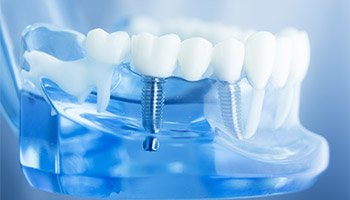
A dental implant replaces a missing tooth in three parts: the titanium implant (the root), an abutment that connects the parts, and a crown that looks like a tooth. The process usually starts with placing the implant in the jawbone, followed by several months of healing while the bone fuses to the implant. After healing, the abutment and crown are attached for a finished tooth. Many patients search for simple phrases when researching options, such as implant th in Richmond, VA, which points to the common short queries people use.
Types of Implant Treatments
Single-tooth implants
Single-tooth implants replace one missing tooth. They look and function like a natural tooth, preserve nearby teeth, and are a long-term solution for chewing and speaking. Most people recover quickly and enjoy normal use once the crown is placed.
Multiple implants and implant-supported bridges
When several teeth are missing, implants can support bridges. Instead of crowning each adjacent tooth, implants hold a bridge that restores function and lowers stress on other teeth. These options are durable and often last many years with good care.
Full-arch solutions (All‑on‑4 / prosthetic options)
Full-arch solutions use a few implants to secure a whole set of upper or lower teeth. All‑on‑4 is common and can be done in one surgery with a temporary prosthesis placed the same day. Recovery varies, but many patients see major improvements in chewing and confidence and benefit most when they want a stable alternative to removable dentures.
Benefits vs Risks: Are implant th procedures worth it?
Benefits: better chewing, improved speech, preserved jawbone, long-term stability, and a natural look that boosts confidence. Risks: infection, implant failure, need for bone grafting, and longer treatment time than a bridge or denture. Overall, evidence shows implants have high success rates when placed and maintained properly. For many patients, the long-term function and bone preservation make implants worth the investment.
Who Is a Good Candidate for Implants?
Good candidates have enough healthy jawbone, controlled gum disease, and overall good health. Smoking, uncontrolled diabetes, or active gum disease raise risk of failure. Older age alone is not a barrier. If bone is thin, procedures like bone grafts or sinus lifts can create a strong foundation for implants.
Cost, Longevity, and Maintenance
Cost depends on number of teeth replaced, need for grafts, laboratory fees, and the type of crown or prosthesis. Implants can cost more upfront than bridges or dentures but often last longer. With proper care—daily cleaning, regular dental visits, and avoiding tobacco—implants and their restorations can last 10–30+ years depending on materials and wear.
How Modern Technology Improves Outcomes
Modern tools reduce risk and improve predictability. CBCT 3D imaging maps bone and nerves, intraoral cameras help plan precise work, and Digital Smile Design lets patients preview results. Tekscan measures bite forces to refine occlusion. These tools support safer, more predictable implant care.
Questions to Ask Your Implant Dentist
– How many implant procedures have you done? – What is your success rate and complication rate? – Will you perform imaging (CBCT) and digital planning? – Do you offer sedation and what type? – What is the full cost, and are there financing options or warranties? – What is the expected timeline from placement to final crown?
About Steadman Family Dentistry — Why Choose Us for Implants
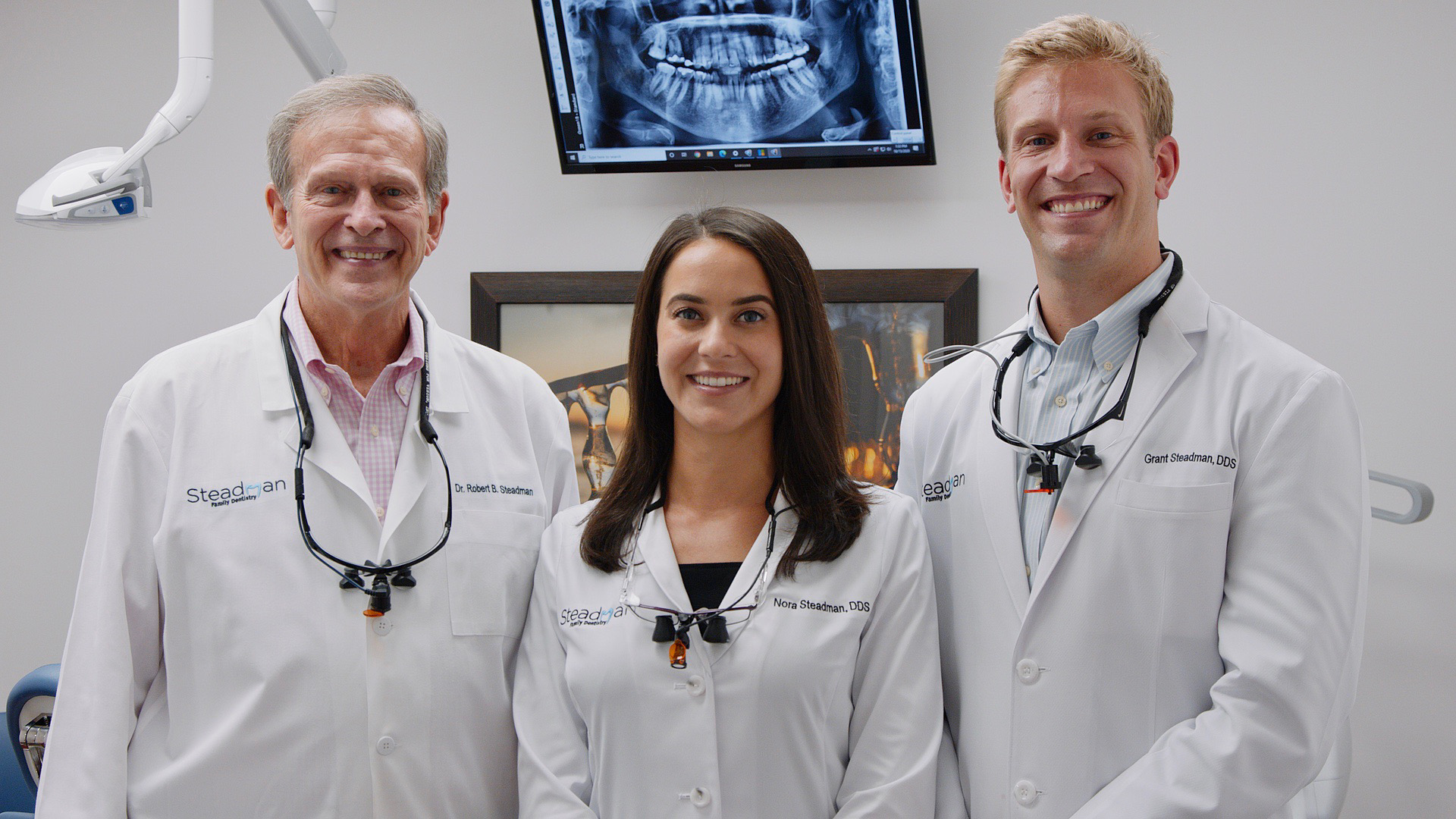
Steadman Family Dentistry provides comprehensive restorative and implant care with a focus on clear communication and predictable results. Dr. Robert and Dr. Grant Steadman have years of implant and restorative experience and use on-site CBCT, Digital Smile Design, intraoral imaging, and Tekscan to plan safer treatments and improve outcomes for patients.
Closing / Next Steps
If you’re weighing whether implants are worth it, a consultation will clarify your options, costs, and timeline. Expect imaging, a review of health and bone needs, and a clear treatment plan at your visit. Book a consultation to discuss if implants fit your goals and lifestyle.