Choosing between terms like dental implants tooth implants can feel confusing. This post compares the options in clear terms so you can pick the best route for your smile. You’ll learn what each term means, how treatment works, who is a good candidate, risks to consider, and practical questions to ask your dentist. By the end you’ll have next steps you can use to talk with a provider about your care.
What Are Dental Implants?
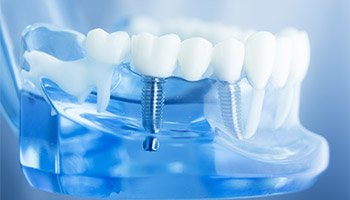
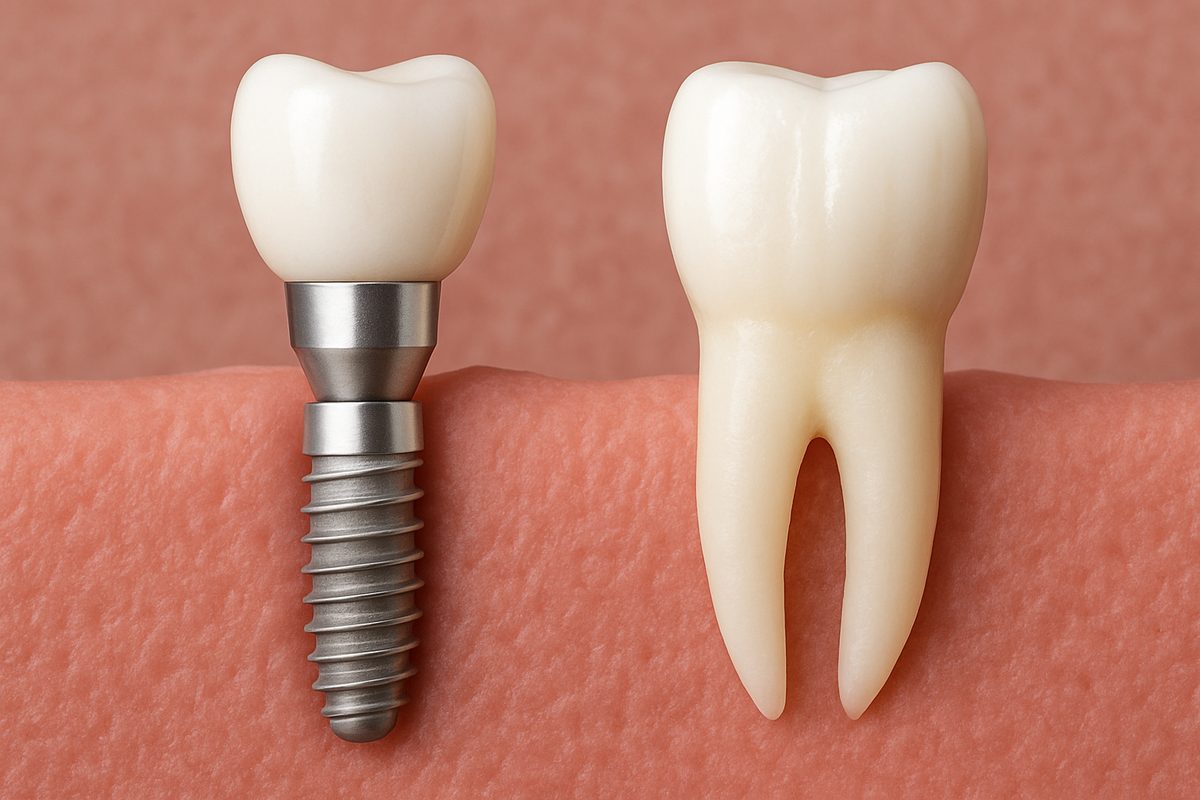
Dental implants are replacement tooth roots placed into the jaw. The typical system has three parts: the post (usually titanium or zirconia), the abutment that connects the post to the replacement, and the crown that looks and functions like a tooth. Implants give excellent stability, help preserve jawbone by restoring normal chewing forces, and can last many years with good care.
When people search for dental implants tooth implants in Richmond, VA, they’re usually looking for a long-term fix that restores chewing, speech, and confidence.
What People Mean By “Tooth Implants”
“Tooth implant” is commonly used in two ways: as shorthand for the surgical post alone, or as casual shorthand for the whole tooth replacement (post + abutment + crown). That different use can cause confusion when you’re reading cost estimates, timelines, or consent forms. It helps to ask whether a provider is referring to the implant post itself or the finished prosthetic tooth.
Dental Implants Vs. Tooth Implants — Key Differences
Scope and meaning
“Dental implant” often refers to the complete treatment plan that results in a new tooth, while some clinicians use “implant” to mean only the metal or ceramic post placed in bone. “Tooth implant” in everyday speech usually means the visible replacement tooth. Clear language matters for informed consent and understanding what you’re paying for.
Treatment timeline
Placing the implant post is a surgical step. After placement you typically wait weeks to months for the bone to fuse to the post (osseointegration). Once healed, the abutment and crown are placed. If someone says “tooth implants” will be done in one visit, clarify if they mean a temporary tooth at surgery or the final restoration later.
Cost and long-term value
Upfront costs can vary because quotes may include just the post, or the post plus abutment and crown. Long term, a properly placed implant-supported crown is often more cost-effective than repeated bridge or denture repairs because implants preserve bone and function for many years. Ask for a full itemized estimate so you know what’s included.
Who Is a Good Candidate?
Good candidates are generally healthy adults with adequate jawbone and healthy gums. Factors your dentist will evaluate include overall health, bone volume where the implant will go, gum disease status, smoking, and how well chronic conditions like diabetes are controlled. Age alone is not a barrier — many older adults are excellent candidates if their health and bone allow.
Risks, Complications, and Aftercare
Risks include infection, poor healing, nerve or sinus injury, and peri-implantitis (gum and bone inflammation around the implant). Signs of trouble include persistent pain, swelling, pus, or a loose implant. Proper home care — brushing, flossing with implant-friendly tools, and regular dental visits — lowers risk. Some cases need bone grafts or sinus lifts before implants to ensure a stable foundation.
How to Decide: Questions to Ask Your Dentist
- How many implants have you placed and what are your success rates?
- Will you use CBCT 3D imaging for my case?
- What materials do you recommend — titanium or zirconia — and why?
- Do you provide the implant post only or the full implant and crown cost in your estimate?
- What is the expected timeline from surgery to final crown?
- What sedation or comfort options are available?
- What follow-up care, warranties, or maintenance plans do you offer?
- Are bone grafts or sinus lifts likely to be needed in my case?
Why Choose Steadman Family Dentistry for Implant Care
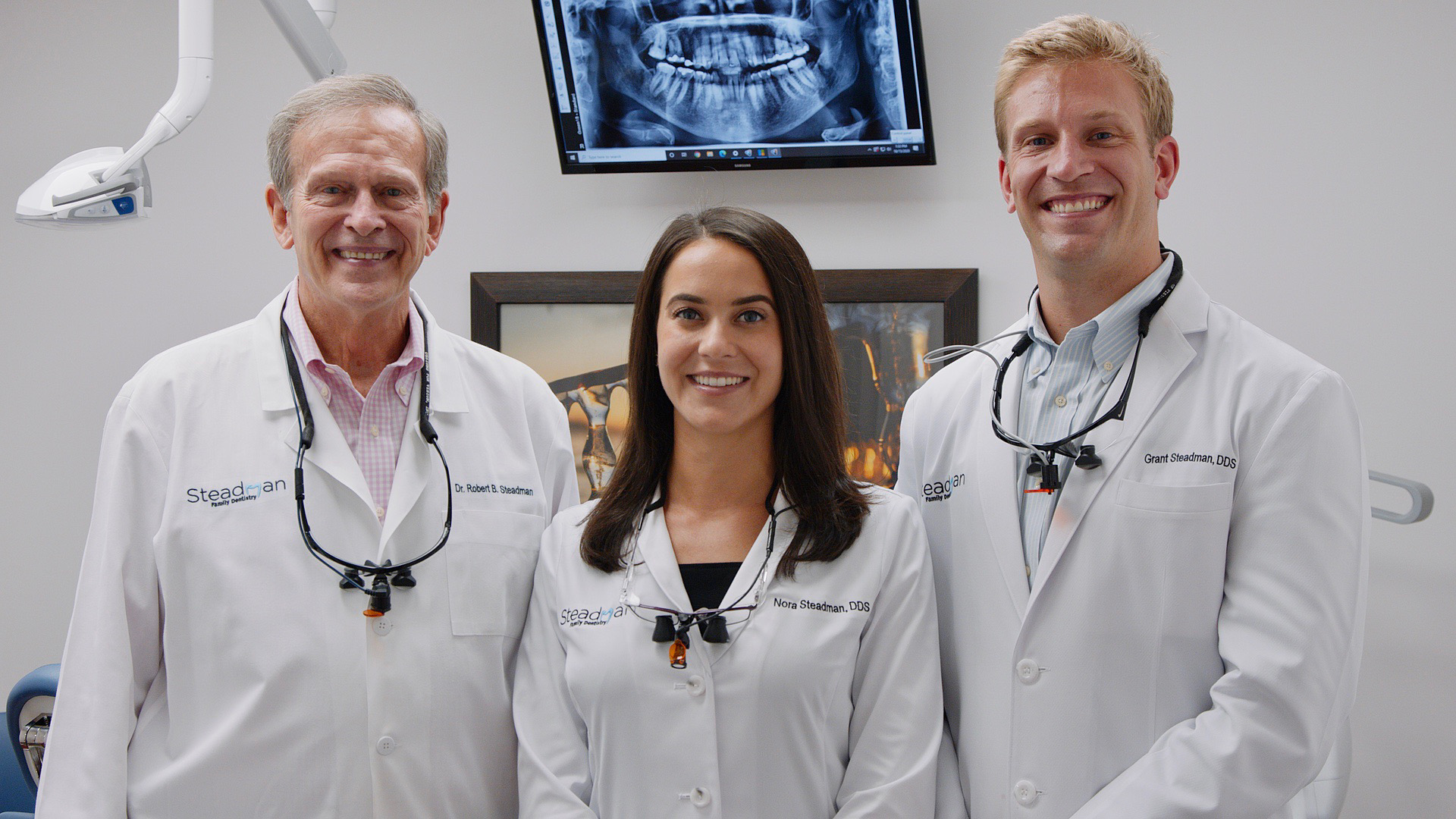
Steadman Family Dentistry in Richmond, VA offers implant and restorative care from Drs. Robert and Grant Steadman. The practice uses advanced tools — Cone Beam CT (CBCT) for 3D planning, Digital Smile Design to preview results, intraoral cameras for patient education, DIAGNOdent for precise diagnostics, and Tekscan to optimize your bite — to improve safety and outcomes.
If you’re comparing options and want clear answers about dental implants tooth implants Richmond, VA, schedule a consult to review your health, imaging, and treatment plan. A short visit can help you understand the cost breakdown, timeline, and what’s best for your smile.