

“Dental implants” and “tooth implants” get used interchangeably most of the time, and most of the time that’s fine. Occasionally the terms point to slightly different things, and knowing the distinction helps you ask better questions before committing to treatment.
What a Dental Implant Actually Is
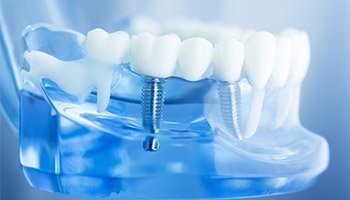
A dental implant is a three-part system: a titanium post that acts as an artificial root, an abutment that connects the post to the visible tooth, and a crown that sits on top and looks like a natural tooth. The post anchors into the jawbone, which is what gives implants their stability and helps preserve bone density over time.
What “Tooth Implant” Can Mean
The term “tooth implant” sometimes refers to the surgical post alone, and sometimes to the complete replacement, post, abutment, and crown together. If you hear a provider use the term, it’s worth asking directly which one they mean so you’re both working from the same understanding of your treatment plan.
Where the Real Differences Show Up
Terminology aside, the practical differences that actually matter are the treatment timeline, surgery, a healing period, then placement of the final crown, and the cost and long-term value of the materials and approach used. Those are the details worth comparing, regardless of which term gets used to describe them.
What Makes Someone a Good Candidate
General health, available jawbone volume, gum health, smoking status, and whether any chronic conditions are well controlled all factor into candidacy. A consultation, not a general rule, is what determines whether you qualify.
Risks and Aftercare Worth Knowing About
Possible complications, warning signs of a problem, home care expectations, and whether a bone graft or sinus lift might be needed ahead of placement are all part of a realistic conversation about implants, whichever term your provider uses for them.
Questions Worth Asking Before You Commit
A few questions go a long way toward understanding what you’re actually signing up for: how many similar cases has the provider handled, what imaging do they use, what materials are involved, what does the full cost breakdown look like, what’s the expected timeline, what sedation options are available, what does follow-up care involve, and is grafting likely to be part of your case.
Why This Practice’s Approach Matters
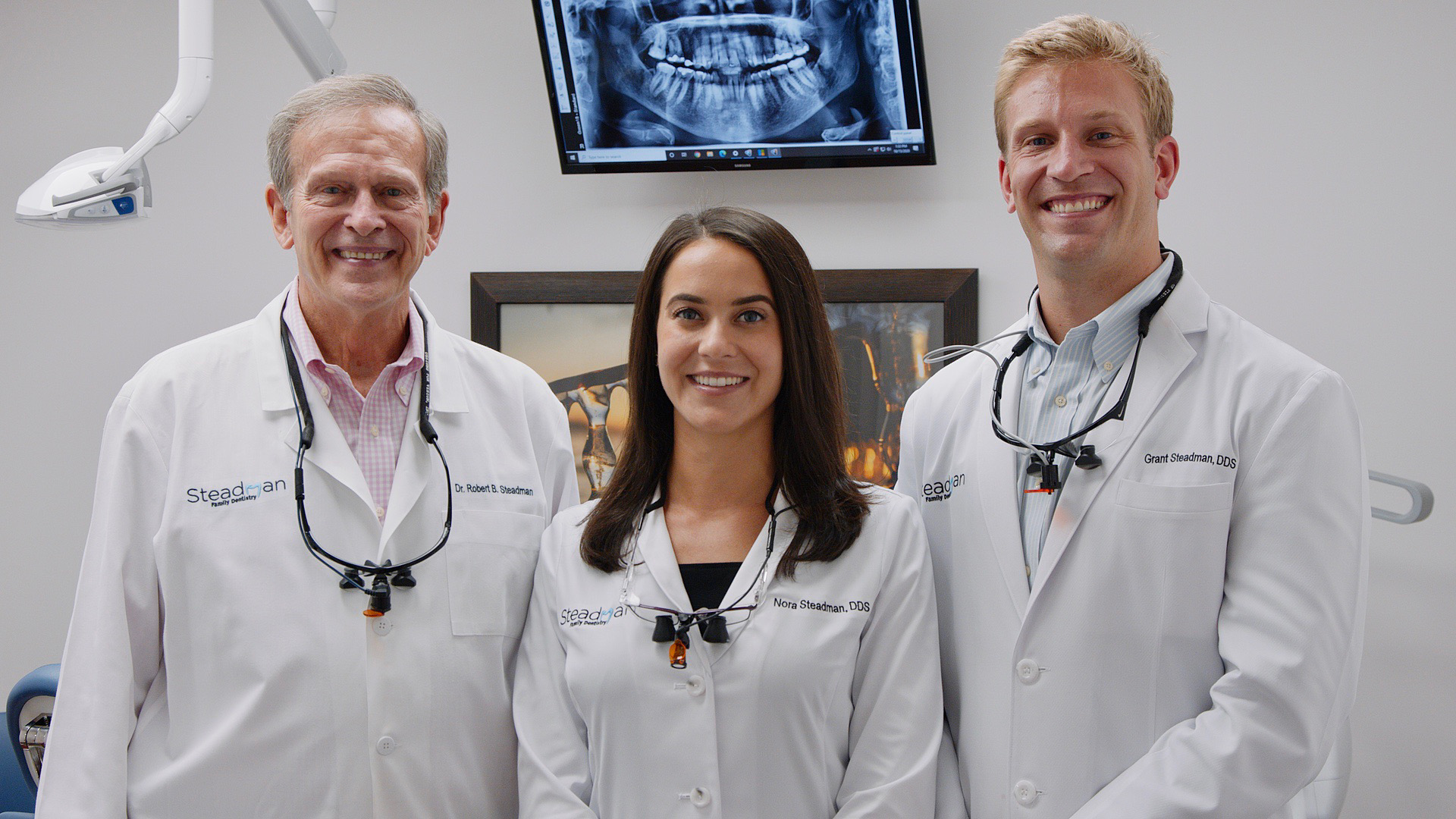
Dr. Steadman’s team uses advanced diagnostic technology, including CBCT imaging, to plan implant cases with a level of precision that general estimates can’t match.
Getting a Straight Answer for Your Case
Whichever term got you here, the next step is the same. Schedule a consultation with Dr. Steadman’s team to find out what your specific case actually needs.