
Medical implants are devices placed in the body to replace, support, or enhance natural function. They range from small dental posts to complex heart devices. This post explains what medical implants are, why they matter, their benefits and risks, and how modern technology makes them safer. You’ll also get practical questions to ask your provider and learn when to consider a consult for medical implants in Richmond, VA.
What Are Medical Implants?
Medical implants are man-made devices placed inside or on the surface of the body. Common types include dental implants, joint implants (hip and knee), cardiac devices (pacemakers, defibrillators), and cochlear implants for hearing. Dental implants are one of the most common and well-studied examples and show how an implant can restore function and appearance.
How Medical Implants Work
Basic principles
Most implants use biocompatible materials that the body accepts, like titanium or certain ceramics and polymers. Implants can replace missing structure, support soft tissue, or deliver therapy. After placement, the body heals around the implant; proper healing and clean conditions help long-term success.
Dental implants: osseointegration
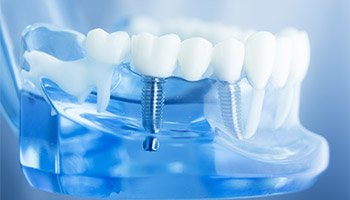
Dental implants fuse with jawbone through a process called osseointegration. The titanium post becomes stable as bone grows around it, creating a strong anchor for a crown or bridge. This fusion is why dental implants offer long-term chewing stability and natural feel — a common outcome from medical implants in Richmond, VA.
Benefits Of Medical Implants
Medical implants can restore lost function, reduce pain, and improve quality of life. For dental implants, benefits include better chewing, clearer speech, and improved appearance compared with removable dentures. Joint implants can reduce chronic pain and increase mobility. Many implants are durable and designed to last years with proper care.
Risks And When To Be Cautious
All implants carry some risk: infection, implant failure, loosening, or nearby nerve injury. Systemic health issues like smoking, uncontrolled diabetes, or poor bone quality increase complications. Careful planning, good oral and overall health, and regular follow-up lower risk. Ask for clear plans on prevention and what to do if problems arise.
How Modern Technology Improves Outcomes For Medical Implants
3D imaging (CBCT), digital planning, and guided surgery let providers see anatomy in detail and plan implant placement with precision. These tools reduce surprises during surgery and help protect nerves and vital structures. Intraoral cameras and digital impressions improve fit and patient understanding.
Examples relevant to dental implants
Digital Smile Design helps patients visualize results before work begins. Tekscan occlusal analysis measures bite forces to optimize how teeth meet, lowering wear and TMJ strain. Laser detection like DIAGNOdent finds hidden decay early. Combined, these tools make dental implant care safer and more predictable.
Questions To Ask Your Provider About Medical Implants
– How many implant procedures do you perform each year? – What are your success and complication rates? – Will you use CBCT or 3D imaging for my case? – What materials will be used for the implant? – What is the timeline from placement to final restoration? – What are the risks and how are complications handled? – What follow-up care and maintenance are required? – What are the costs and financing options?
About Steadman Family Dentistry And Their Implant Approach
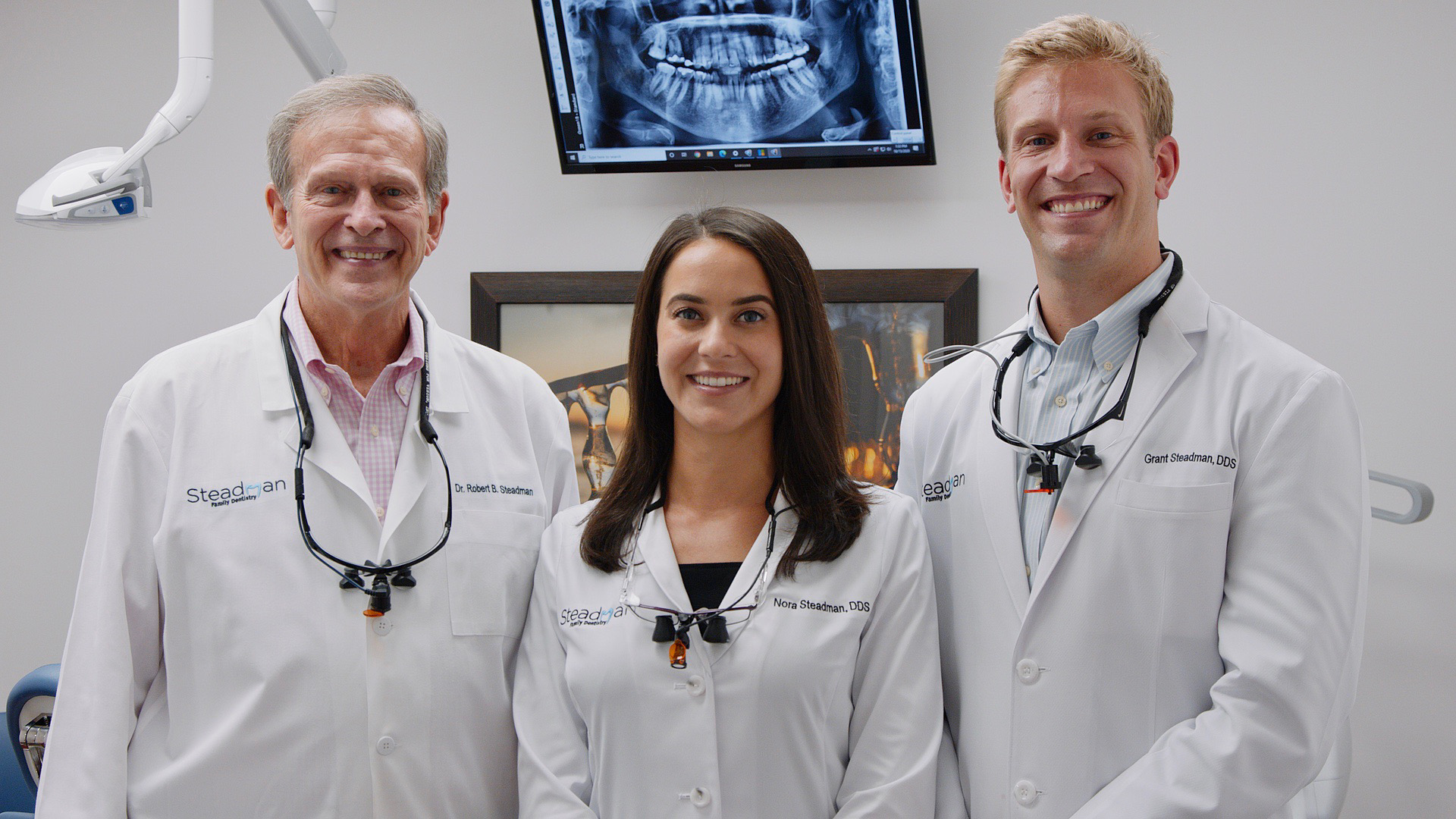
Steadman Family Dentistry in Richmond, VA offers implant and restorative care with experienced doctors who emphasize clear communication and predictable outcomes. Dr. Robert B. Steadman and Dr. Grant Steadman use on-site CBCT, digital workflows, and technologies like intraoral imaging and Tekscan to support safer, more predictable medical implants in Richmond, VA.
Considering Medical Implants
If you’re thinking about medical implants, schedule a consult to review your health, imaging, and treatment options. A focused evaluation will clarify risks, benefits, timeline, and costs. Contact Steadman Family Dentistry for an evaluation and to discuss whether medical implants in Richmond, VA are right for you.