

Choosing the right implant option matters. “Implant options” refers to the different types of dental implants and implant-supported restorations available to replace missing teeth. The best choice affects how well you chew, how your smile looks, how much you’ll pay, and how long recovery will take. If you’re exploring implant options in Richmond, VA, understanding the basics helps you ask the right questions and pick a plan that fits your mouth, budget, and lifestyle.
Common Implant Options Explained
Endosteal implants (standard implants)
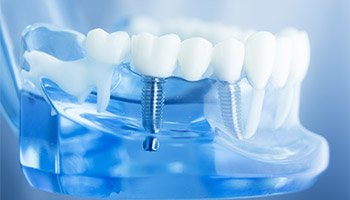
Endosteal implants are the most common type. A titanium post is placed directly into the jawbone and later restored with a crown, bridge, or denture. They’re ideal for single-tooth replacement or several separate teeth. With proper care, standard implants often last decades and have high success rates—typically above 90–95% in healthy patients.
All‑on‑4 / implant‑supported dentures
All‑on‑4 uses 4–6 implants to support a full-arch prosthesis. It’s a faster route to a fixed set of teeth for people who need most or all teeth replaced. Pros: more stability than removable dentures, better chewing, and less bulk. Cons: higher upfront cost than dentures and more complex surgery than single implants. Best for people wanting a fixed full-arch solution and quicker restoration.
Mini dental implants
Mini implants are narrower posts used when bone is limited or for stabilizing a denture. They’re less invasive, often cheaper, and can sometimes be placed and used sooner. Limitations: not always suitable for long-term single-tooth restorations and have lower load capacity. They’re a good short-term or less invasive option for some patients.
Subperiosteal and zygomatic implants (special cases)
These are used when bone loss makes standard implants impractical. Subperiosteal posts sit on top of the bone under the gum. Zygomatic implants anchor into the cheekbone for severe upper jaw loss. Both are less common and reserved for complex cases where grafting or other approaches aren’t ideal.
How to Choose the Right Implant Option
Bone volume and location of missing teeth
Bone height, width, and quality determine which implant option is realistic. Low bone may mean grafting or choosing mini, subperiosteal, or zygomatic implants. Front teeth and back teeth face different bite forces that affect implant size and placement.
Number of teeth to replace and long‑term goals
A single missing tooth often calls for an endosteal implant and crown. Multiple gaps might be treated with implants supporting a bridge. Full‑arch goals point to All‑on‑4 or implant-supported dentures. Think long term: durability, maintenance, and how permanent you want the solution to be.
Budget, timeline, and lifestyle
Costs, healing time, and care vary. Mini implants can be quicker and cheaper. Standard implants may take months for healing but last longer. All‑on‑4 has higher upfront cost and faster function than multiple single implants. Choose what fits your schedule and finances.
Risks, Benefits, and What to Expect During Recovery
Benefits include improved chewing, bone preservation, and a natural look. Risks include infection, implant failure, and nerve or sinus issues in rare cases. Typical recovery: a few days of soreness, with full integration of bone over 3–6 months depending on the case. Follow-up care and good oral hygiene are essential.
Modern Technology That Improves Implant Outcomes
3D CBCT scans, digital planning, and intraoral imaging let dentists map bone, nerves, and tooth positions before surgery. These tools make selecting implant options in Richmond, VA safer, faster, and more predictable.
Questions to Ask Your Dentist About Implant Options
Which implant option do you recommend and why? Do I need bone grafting? What is the timeline and full cost? What are success rates and alternatives?
Why Consider Steadman Family Dentistry for Implant Options
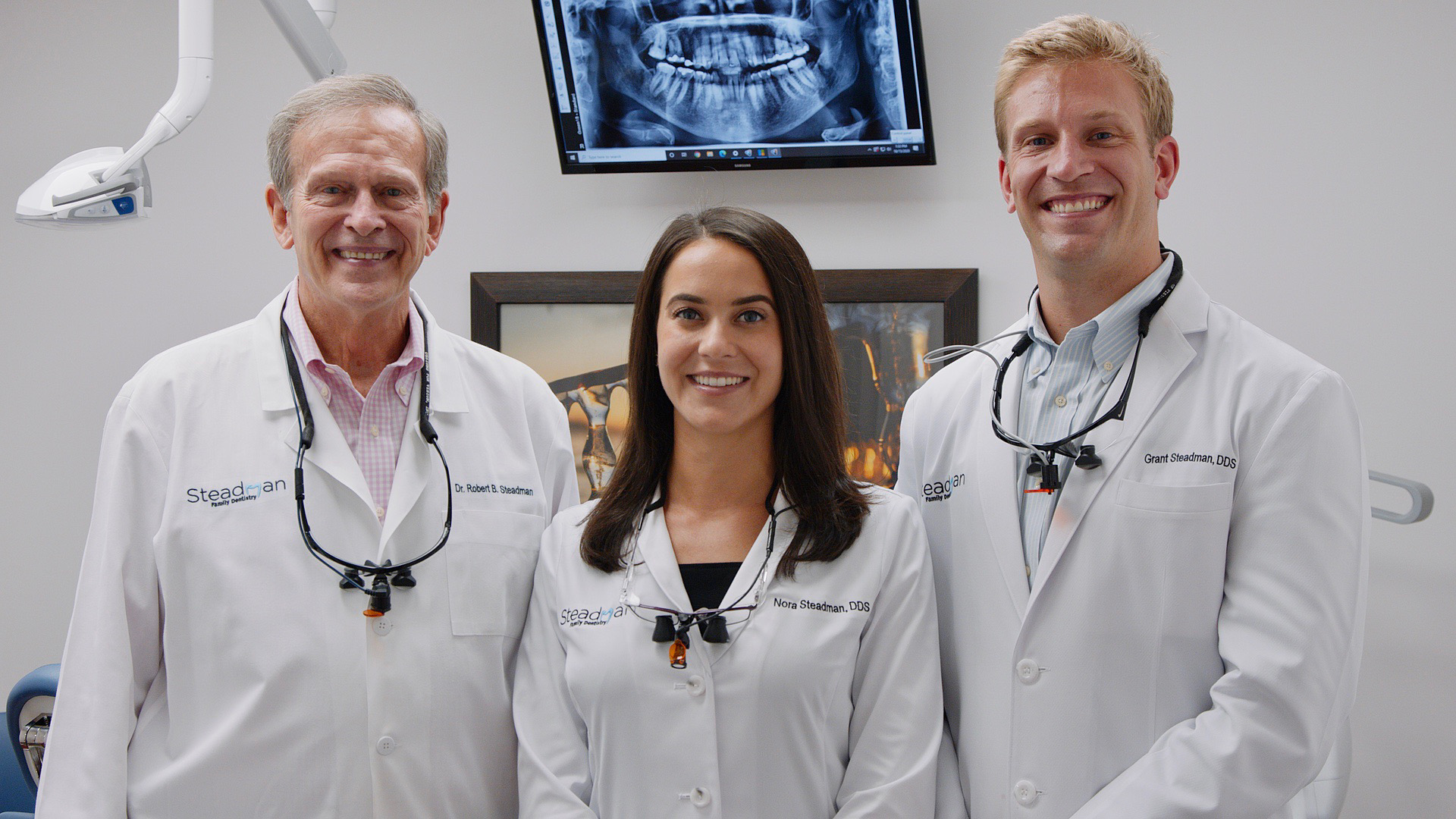
Steadman Family Dentistry brings experienced, implant-trained doctors and on-site 3D imaging and digital workflows. That combination supports clear planning and helps match the right implant option to your goals with transparent communication.
Next Steps / Call to Action
Schedule a consultation to review your implant options in Richmond, VA, get a CBCT scan, and receive a clear treatment plan tailored to your needs.