
Grabbing a whitening kit off a store shelf seems simple enough: apply the bleaching agent, put in the trays, and wait for brighter teeth. But teeth whitening isn’t quite as straightforward as it looks, and there are important factors to consider before starting any teeth whitening plan, whether that plan happens at home or in your dentist’s chair.
What Should You Know Before Whitening Your Teeth at Home?
The biggest advantage of at-home whitening is convenience. There’s no appointment to schedule, and you can start whenever it fits your routine. The tradeoff is that you’re largely on your own, unless you talk with a dentist first. One of the most important things to check before whitening at home is the current state of your dental health. If you have untreated cavities or gum disease, whitening agents can make the problem worse by increasing sensitivity or irritating already-compromised tooth structure and tissue.
What Should You Know Before Whitening Your Teeth at the Dentist’s Office?
Professional teeth whitening gives you access to solutions that are significantly more effective than what’s available over the counter. Just as importantly, your dentist can spot issues that need to be addressed before it’s safe to whiten, so you’re not layering a cosmetic treatment on top of an untreated dental problem.
If you’ve had restorative work done, your dentist will also flag something many patients don’t expect: crowns, bridges, veneers, and other dental prostheses don’t respond to whitening agents. While your natural teeth may get noticeably brighter, any restorations will stay the same shade. That mismatch can make existing dental work stand out rather than blend in, which is worth planning around before you commit to a whitening treatment.
Why Does Professional Whitening Work Better Than At-Home Kits?
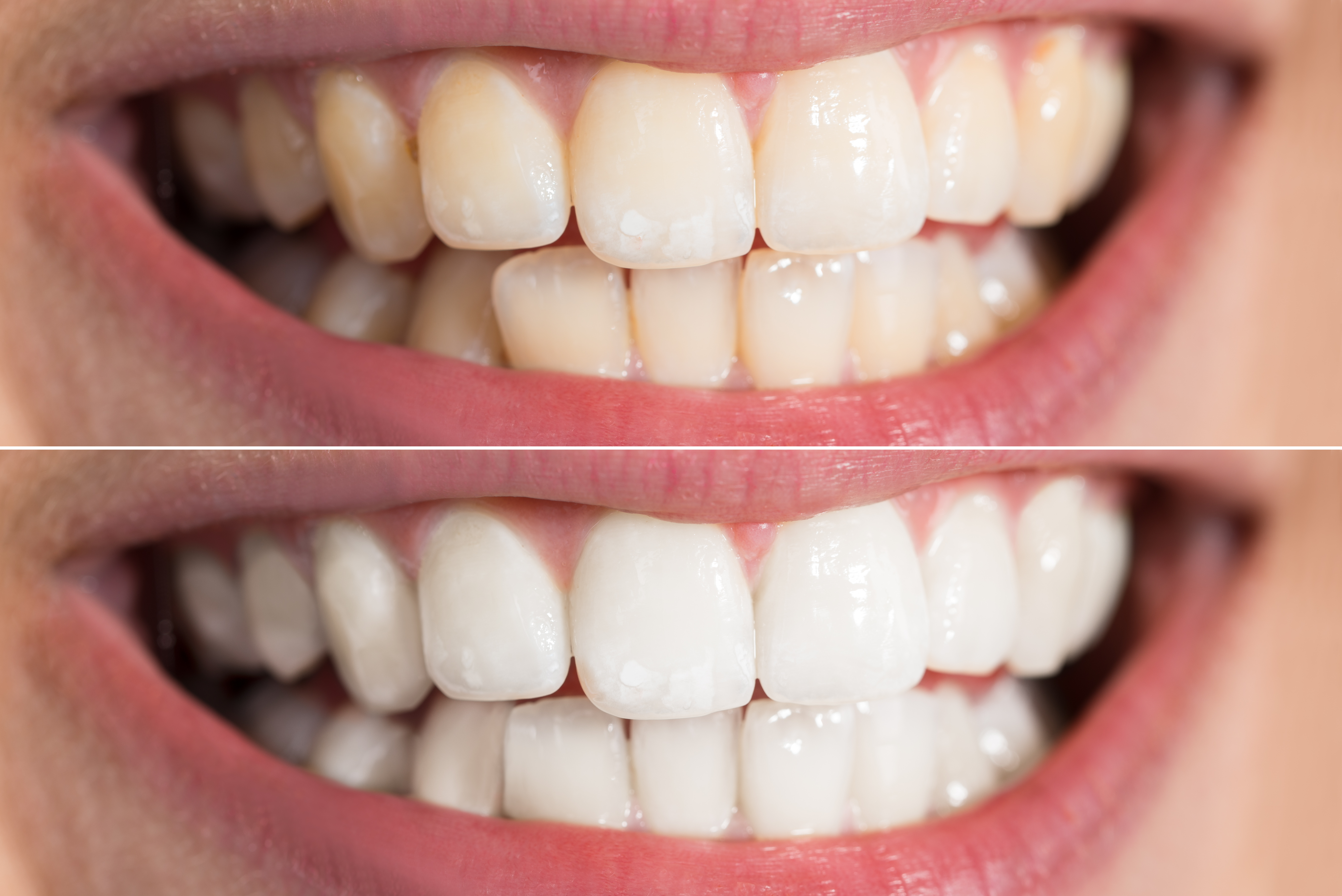
Professional-grade whitening solutions use higher concentrations of whitening agents than what’s legally available in over-the-counter products, which is part of why they deliver faster, more noticeable, and longer-lasting results. Because treatment happens under a dentist’s supervision, the process can also be customized to your specific teeth and sensitivity level, reducing the risk of uneven results or unnecessary discomfort.
Is Teeth Whitening Safe for Everyone?
For most healthy adults, teeth whitening is safe when done correctly. However, patients with untreated tooth decay, active gum disease, exposed roots, or existing dental work in visible areas should talk with a dentist before whitening. Whitening is also not recommended during certain stages of dental treatment, such as immediately after a procedure that leaves teeth more sensitive than usual. A quick dental exam beforehand helps confirm whitening is the right choice for your specific situation.
How Long Do Teeth Whitening Results Last?
Results vary based on your habits and the whitening method used, but professional whitening generally lasts longer than at-home kits. Avoiding staining foods and drinks like coffee, tea, and red wine, along with tobacco products, helps preserve your results. Many patients maintain their brighter smile with periodic touch-up treatments.
What Are Your Options for Professional Teeth Whitening?
Most dentists offer more than one way to whiten your teeth professionally. In-office whitening delivers the fastest results, often noticeably brightening your smile in a single visit using a high-concentration whitening gel applied under professional supervision. Take-home custom tray systems offer a middle-ground option: your dentist creates trays molded specifically to your teeth, and you apply professional-strength whitening gel at home over one to two weeks. Because the trays are custom-fitted rather than one-size-fits-all, they distribute the whitening agent more evenly than store-bought kits, reducing gum irritation and improving results.
How Should You Prepare for a Whitening Treatment?
Before starting any whitening treatment, it’s worth scheduling a routine cleaning and exam if you haven’t had one recently. Removing surface plaque and tartar beforehand helps whitening agents work more evenly across your teeth. If you have any cavities, cracked teeth, or gum recession, addressing those issues first prevents whitening from causing unnecessary sensitivity or discomfort. It’s also a good time to mention any existing crowns, veneers, or bridges in visible areas of your smile, so your dentist can help you plan a treatment approach that keeps your whole smile looking consistent.
Frequently Asked Questions
Can I whiten my teeth if I have cavities? It’s best to treat any cavities first. Whitening agents applied to untreated decay can increase sensitivity and worsen the underlying problem.
Will teeth whitening work on crowns or veneers? No. Whitening agents only affect natural tooth enamel, so crowns, bridges, veneers, and other restorations will not change color and can end up mismatched with newly whitened natural teeth.
Is professional whitening safe? Yes, when performed or supervised by a dentist who has confirmed your teeth and gums are healthy enough for treatment.
How much brighter will my teeth get? Results vary by patient and depend on the original shade and cause of discoloration, but professional whitening typically produces more dramatic, longer-lasting results than store-bought kits.
Why does my dentist need to check my teeth before I whiten them? A quick exam helps identify cavities, gum disease, or existing dental work that could affect how well whitening works or whether it’s safe to proceed.
How often can I whiten my teeth? This depends on the whitening method and your individual dental health. Your dentist can recommend a safe schedule based on your results and sensitivity.
Is over-the-counter whitening toothpaste effective? Whitening toothpaste can help remove surface stains over time, but it generally can’t produce the more dramatic results of a professional whitening treatment.
Will whitening make my teeth more sensitive? Some temporary sensitivity is common, especially with stronger whitening agents. A dentist-supervised treatment allows this to be monitored and managed more effectively than an at-home kit.
Talk to a Richmond, VA Dentist Before You Whiten
Before you commit to a whitening kit or an in-office treatment, schedule a visit with the team at Steadman Family Dentistry to learn more about your options for teeth whitening in Richmond, VA, along with the full range of cosmetic dental services available to you. Call (804) 575-5865 to get started.