

If you’ve been thinking, “My mouth hurts,” you’re not alone. Mouth pain, also known as orofacial pain, can range from mild discomfort to severe, persistent pain that interferes with eating, speaking, and everyday life. While some cases resolve on their own, others may signal an underlying dental condition that requires professional treatment.
Understanding the cause of your pain is the first step toward finding lasting relief.
What Is Orofacial Pain?
Orofacial pain refers to discomfort affecting the mouth, teeth, gums, jaw, face, or surrounding tissues. The pain may be constant or intermittent and can feel sharp, dull, throbbing, or aching depending on the underlying cause.
Because many conditions can lead to orofacial pain, it’s important to have your symptoms evaluated if they persist or worsen.
Common Causes of Mouth Pain
There are several reasons your mouth may hurt, including:
- Tooth decay or cavities
- Cracked or fractured teeth
- Gum disease
- Tooth infections or abscesses
- Impacted wisdom teeth
- Teeth grinding (bruxism)
- Temporomandibular joint (TMJ) disorders
- Mouth sores or oral injuries
- Sinus infections that create pressure in the upper teeth
A comprehensive dental examination can help determine the source of your discomfort and the best treatment option.
Symptoms That Shouldn’t Be Ignored
While occasional sensitivity may not be an emergency, certain symptoms should be evaluated as soon as possible, including:
- Severe or persistent tooth pain
- Swelling of the gums or face
- Pain when chewing or biting
- Jaw pain or difficulty opening your mouth
- A loose or damaged tooth
- Bleeding or swollen gums
- A bad taste in your mouth that doesn’t go away
- Fever accompanied by oral pain
Prompt treatment can often prevent more serious complications.
How Is Orofacial Pain Treated?
Treatment depends on the cause of your symptoms. After examining your teeth, gums, jaw, and oral tissues, your dentist may recommend:
- Dental fillings for cavities
- Root canal therapy for infected teeth
- Treatment for gum disease
- A custom nightguard for teeth grinding
- Tooth extraction if a tooth cannot be saved
- Dental crowns to restore damaged teeth
- Referral for specialized care if needed
Our goal is always to relieve your pain while preserving your natural teeth whenever possible.
When Should You See a Dentist?
If your mouth hurts for more than a day or two, or if your pain is severe, don’t wait to seek treatment. Early diagnosis can help prevent infection, reduce discomfort, and often save a damaged tooth.
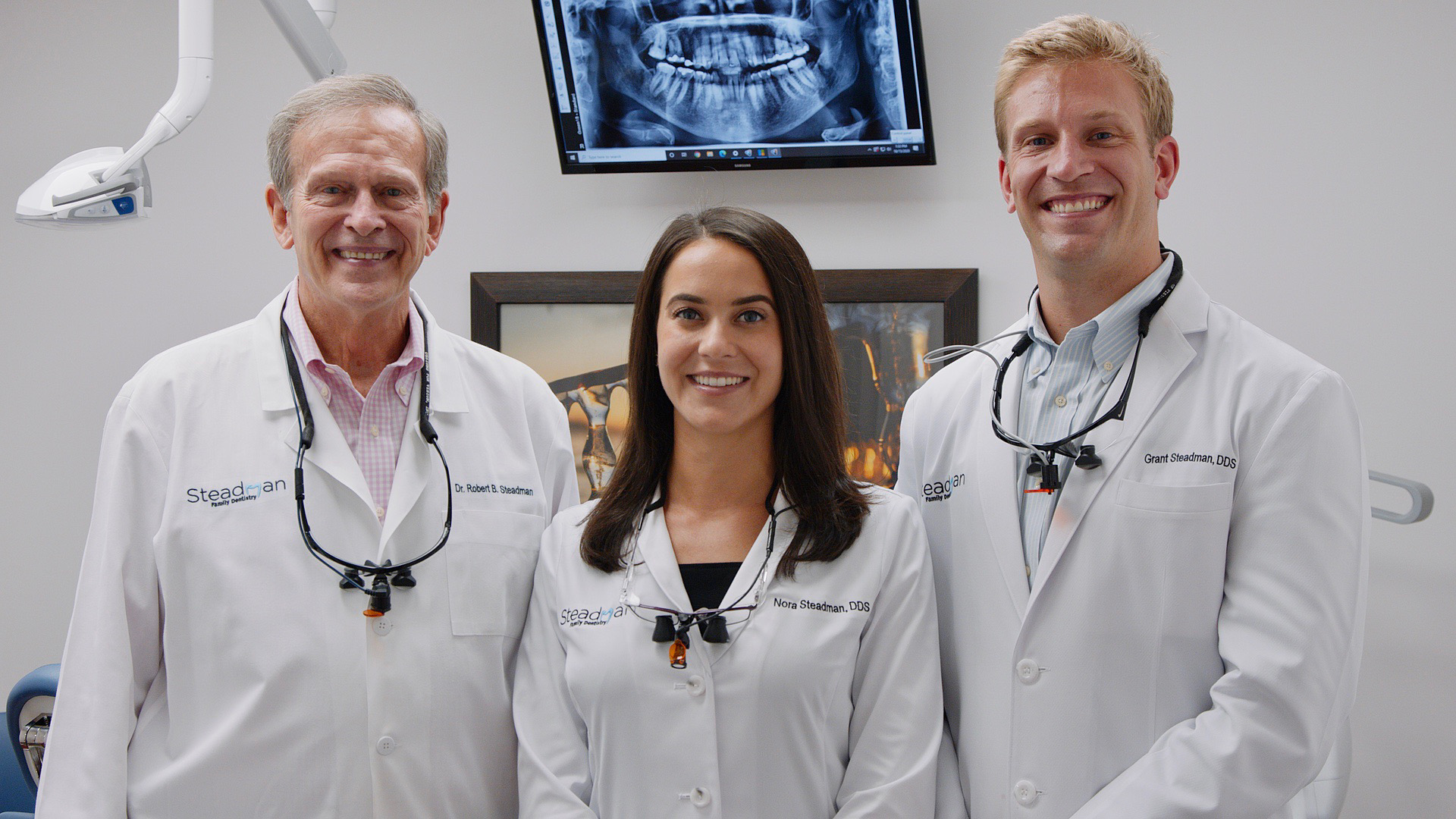
At Steadman Family Dentistry, our experienced team is committed to identifying the source of your orofacial pain and creating a personalized treatment plan to restore your comfort and oral health.
Conclusion
Mouth pain is never something you should ignore. Whether your discomfort is caused by a cavity, infection, TMJ disorder, or another dental issue, getting an accurate diagnosis is the first step toward lasting relief.
If you’re experiencing orofacial pain or wondering, “Why does my mouth hurt?” contact Steadman Family Dentistry today to schedule an evaluation. We’re here to help you get back to smiling comfortably.