The words “root canal” tend to make patients anxious the moment a dentist says them, but most people don’t actually know what the procedure involves beyond a vague reputation for being painful. In reality, a root canal is a procedure designed to save a tooth, not cause unnecessary pain. It allows a dentist to remove dead or dying tissue from inside a tooth so the tooth itself can stay in place, rather than being extracted. Here’s what a root canal actually does, why it’s recommended, and why there’s less to fear than the reputation suggests.

What Is a Root Canal, and What Does It Actually Save?

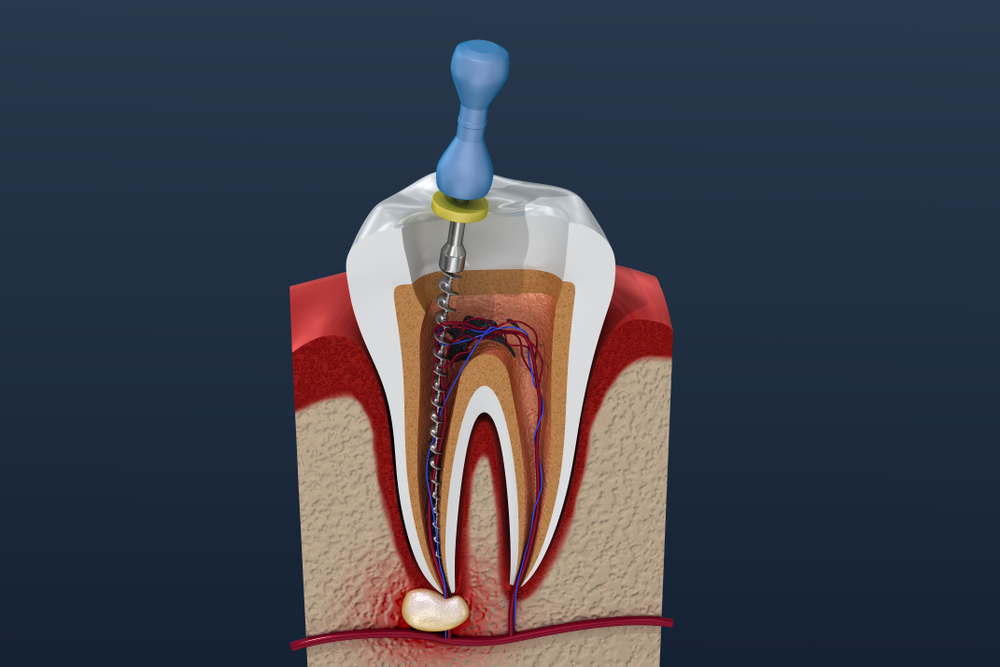
Every tooth has a soft, sensitive inner layer called the pulp, which contains nerves and blood vessels that keep the tooth alive. A root canal removes damaged or dying pulp from inside the tooth, cleans out the space, and seals it to prevent further infection. Because the procedure saves the natural tooth structure rather than removing it, it’s generally the preferred option over extraction whenever a tooth can be saved.

Why Would a Tooth Need a Root Canal?

Decay is the most common reason pulp tissue dies. When untreated decay reaches the pulp, it continues spreading unless the tooth is treated with either a root canal or extraction. Once the pulp dies, toxins from the decay can travel through the root tip and into the surrounding jawbone. Left unaddressed, this can lead to a bone infection, a far more serious and painful problem than the root canal itself. Cracked teeth, repeated dental procedures on the same tooth, or trauma can also damage the pulp and lead to the same outcome.

What Happens During a Root Canal Procedure?

Your dentist will first numb the area thoroughly, so you shouldn’t feel pain during the procedure itself. They’ll then create a small opening in the tooth to access the pulp chamber and use specialized tools to remove the dead or dying tissue from inside the tooth and its root canals. Once the space is fully cleaned and disinfected, it’s sealed to prevent bacteria from re-entering. Depending on the complexity of the case, a root canal can take one to several hours, sometimes across more than one visit. Afterward, most teeth need a crown to restore full strength and protect against future damage.

Does a Root Canal Actually Hurt?

This is where the procedure’s reputation gets it backward. The pain patients associate with root canals almost always comes from the infection or decay that made the procedure necessary in the first place, not from the treatment itself. With modern anesthesia, most patients report that a root canal feels similar to getting a routine filling. Any soreness afterward is typically mild and temporary, especially compared to the pain of an untreated infected tooth.

What Happens If You Skip a Root Canal and Choose Extraction Instead?

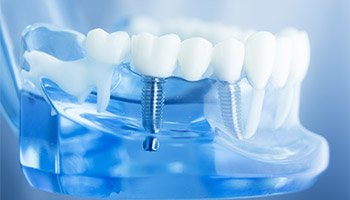
Extraction is sometimes necessary, particularly if a tooth is too damaged to save, but it comes with its own tradeoffs. A missing tooth can lead to bone loss, shifting teeth, and the eventual need for a replacement like a bridge or dental implant. Whenever a tooth can realistically be saved, a root canal typically preserves your natural bite and appearance more effectively, and often at a lower long-term cost than extraction followed by replacement.

How Do You Know If You Need a Root Canal?

Common signs include persistent tooth pain, sensitivity to hot or cold that lingers after the stimulus is removed, swelling or tenderness in the gums near a specific tooth, or a visible pimple-like bump on the gums. Some teeth that need root canals show no symptoms at all and are only identified through X-rays during a routine exam, which is one more reason regular checkups matter.

What Should You Expect After a Root Canal?

Mild soreness or sensitivity around the treated tooth is common for a few days after treatment, and it’s typically manageable with over-the-counter pain relievers. Your dentist may recommend avoiding chewing on the treated side until your permanent crown is placed, since the tooth is more vulnerable to fracture in the meantime. Most patients return to their normal routine the same day or the next, without significant disruption to daily life.

Frequently Asked Questions

Is a root canal more painful than a filling? No. With modern anesthesia, most patients describe a root canal as feeling similar to a routine filling procedure.

How long does a root canal take to heal? Most patients feel back to normal within a few days. Any soreness is typically mild and manageable with over-the-counter pain relief.

Will I need a crown after a root canal? In most cases, yes. A crown restores the tooth’s strength and protects it from future fracture, since a root canal removes the tissue that once nourished the tooth from the inside.

What happens if I don’t get a root canal on an infected tooth? The infection can spread into the surrounding jawbone, leading to more serious pain, swelling, and potentially the loss of the tooth altogether.

Can any tooth be saved with a root canal? Most teeth can be treated with a root canal if enough healthy structure remains, but severely damaged or fractured teeth may need to be extracted instead. Your dentist can evaluate which option is right for your specific tooth.

How many appointments does a root canal usually take? Many root canals are completed in a single visit, though more complex cases may require a second appointment before the final crown is placed.

Talk to Your Dentist About Saving Your Tooth

If you’re dealing with tooth pain or sensitivity, don’t wait for it to get worse. Consult with our team about whether a root canal is the right option for you instead of an extraction. Call Steadman Family Dentistry at (804) 575-5865 to schedule an appointment, and remember: a root canal saves your tooth.