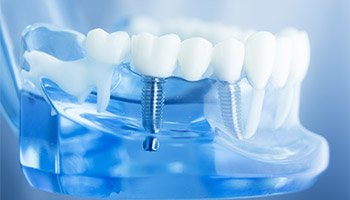

Deciding between an oral surgeon and a general dentist for dental implants can feel overwhelming. The phrase oral surgeon dental implants in Richmond, VA comes up a lot because people want the safest, most predictable outcome. Dental implants replace missing tooth roots with metal posts and a crown. This article compares who places implants, training differences, when to see an oral surgeon, when a general dentist is fine, technology and safety, risks, cost and how to choose the right provider so you can make an informed decision.
Who actually places dental implants?
Oral surgeons, periodontists, prosthodontists, and many general dentists place implants. Oral surgeons handle complex surgery and impacted teeth. Periodontists focus on the gums and supporting bone. Prosthodontists specialize in restoring teeth and making crowns or bridges. General dentists often place straightforward implants and handle the crown restoration. Each provider has a slightly different focus and typical case mix.
Training and experience: oral surgeon dental implants vs general dentists
Surgical training
Oral and maxillofacial surgeons complete a multi-year surgical residency after dental school. That training covers complex extractions, bone grafting, sinus lifts, and management of surgical complications. When cases involve severe bone loss, impacted teeth, or medical issues, that surgical depth matters.
Implant experience for general dentists
Many general dentists receive implant training through continuing education and implant courses. They often place single-tooth implants and work with digital planning tools. For straightforward cases with good bone and clear imaging, an experienced general dentist can provide efficient, high-quality care.
When an oral surgeon is likely the better choice
See an oral surgeon when you have severe bone loss, need bone grafts or sinus lifts, have impacted roots, require multiple extractions, or have complicating medical conditions. Complex anatomy or previous failed implants also favor a surgical specialist. Oral surgeons are trained to handle unexpected surgical problems and higher-risk cases.
When a general dentist can do the job well
A general dentist is often a great choice for a single missing tooth, predictable anatomy, and strong bone. If your dentist uses CBCT imaging and has documented implant case experience, they can streamline care by placing the implant and restoring the crown in-house, reducing appointments and handoffs.
Technology, diagnostics, and safety
3D CBCT imaging, digital planning software, and intraoral scanners improve safety and outcomes for both oral surgeon dental implants in Richmond, VA and general dentists. These tools help plan exact implant position, avoid nerves and sinuses, and design prosthetics that fit well. Ask any provider whether they use CBCT and 3D planning for your case.
Risks, success rates, and recovery
Implant success rates are generally high (over 90–95% for healthy patients) but drop with smoking, untreated gum disease, or poor bone. Common complications include infection, nerve irritation, and implant failure. Recovery is usually faster for simple cases; complex grafts add healing time. Red flags: vague answers about complication rates, no before/after photos, or refusal to use CBCT for complex cases.
Cost, referrals, and continuity of care
Specialists may charge more for complex surgical work, but that can reduce risk and unexpected costs later. General dentists may be more cost-effective for simple cases and can coordinate crown restoration. Referral workflows vary: some practices coordinate team-based care for the whole process, which helps continuity and follow-up.
How to choose the right provider for your implant
Checklist: – Ask about training and surgical residency or implant fellowships – Ask case volume and see before/after photos – Confirm CBCT and 3D planning use – Ask about sedation options and aftercare – Ask about warranties or follow-up policies – Consider a second opinion for complex cases
About Steadman Family Dentistry
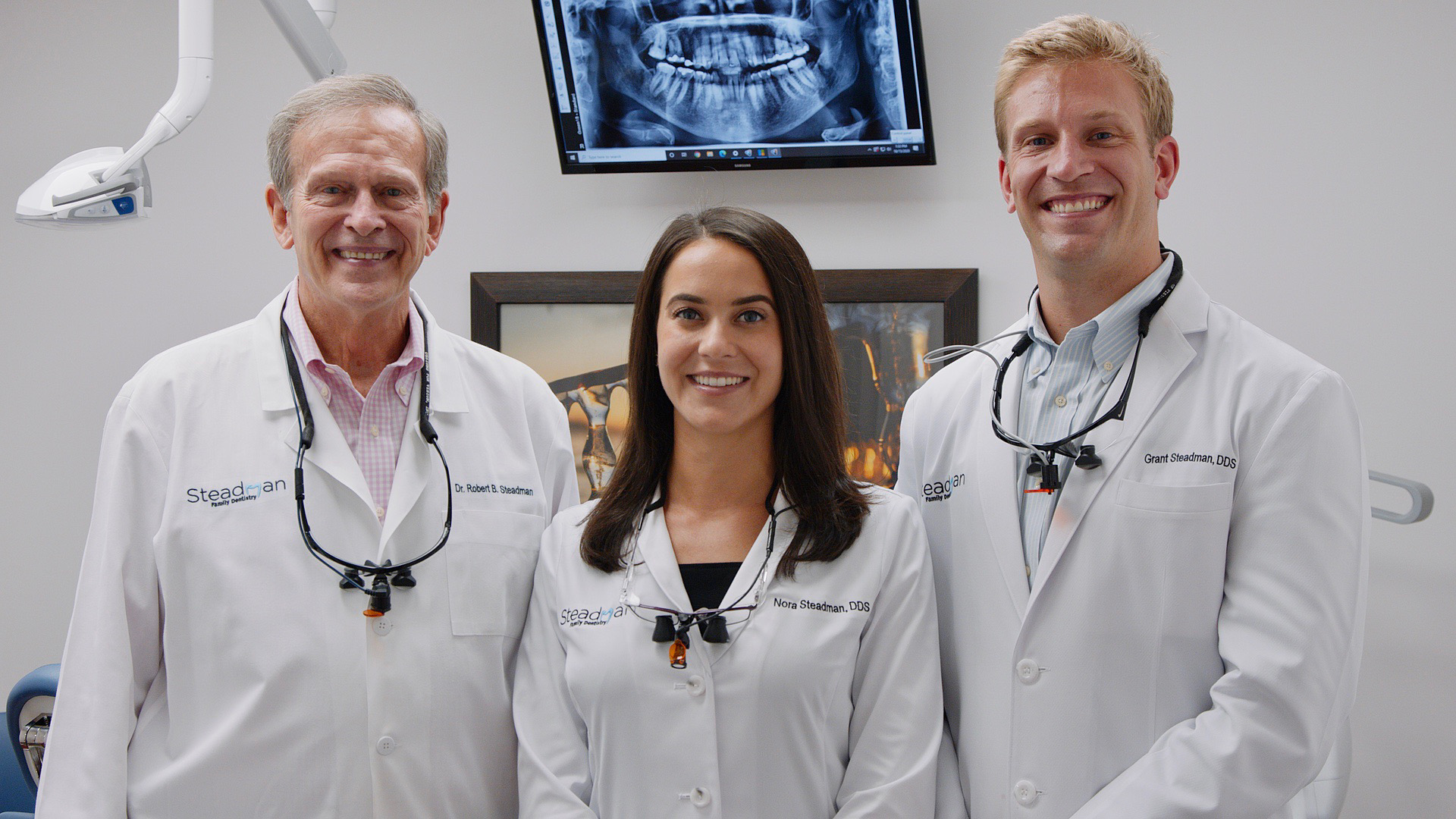
Steadman Family Dentistry offers implant and restorative care from a patient-centered practice in Richmond, VA. Dr. Robert B. Steadman has 30+ years of experience in implant and cosmetic care. Dr. Grant Steadman holds an implant fellowship and focuses on modern restorative techniques. The team emphasizes clear communication and outcomes-driven treatment.
Key technologies at the practice
– Cone Beam CT (CBCT) – Digital Smile Design – Intraoral camera – Tekscan occlusal analysis – DIAGNOdent – Digital workflows for planning and restorations
Conclusion and next steps
For complex surgery or high-risk anatomy, oral surgeon dental implants in Richmond, VA are often the safer choice. For straightforward single-tooth cases, an experienced general dentist can deliver excellent results. Use the checklist above, review credentials and imaging use, and get a second opinion if you’re unsure. Call to schedule a consultation or second opinion to determine the best path for your implant care.