

Dental implants have a strong track record, but they aren’t immune to problems. Catching trouble early is often what separates a laser or non-surgical fix from a full redo, which makes knowing the warning signs worth a few minutes of your time.
What “Failing” Actually Means
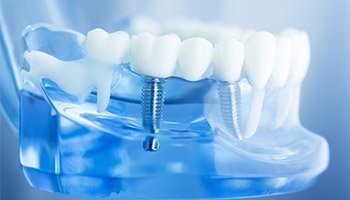
A failing implant usually means the tissue and bone around it have become inflamed or infected, a condition called peri-implantitis. It’s the implant version of gum disease, and like gum disease, it tends to get worse the longer it’s left alone.
The Signs Worth Paying Attention To
Gum tissue around the implant that looks red, swollen, or bleeds easily when brushed is often the earliest sign. Some patients notice the implant feels slightly loose or shifts under pressure, while others deal with ongoing discomfort, a persistent bad taste, or visible pus near the implant. Any of these warrant a prompt evaluation rather than waiting for a routine checkup.
Why These Signs Can Be Easy to Miss
Implants don’t carry the same nerve sensitivity natural teeth do, so pain tends to show up later in the process than it would with a failing tooth. That’s part of why routine follow-up visits matter even years after an implant has fully healed and seems fine on the surface.
What Happens If It’s Caught Early
Catching a failing implant early often means less invasive treatment options are still on the table, things like deep cleaning around the implant, antibiotic treatment, or laser-based therapy, rather than needing to remove and replace the implant entirely.
What Happens If It’s Not Caught Early
Left untreated, the infection and inflammation can progress to significant bone loss around the implant, at which point saving it becomes much harder and extraction may become the only realistic option.
What You Can Do Between Visits
Good oral hygiene around the implant site, avoiding tobacco, and keeping up with regular checkups all reduce the odds of this becoming a problem in the first place. None of that replaces a professional evaluation if something already feels off.
Getting an Implant Checked
If something about your implant doesn’t feel right, don’t wait for your next scheduled cleaning. Schedule a consultation with Dr. Steadman’s team to get it looked at.