Denture inplants are implant-supported dentures that use dental implants to hold a denture in place. They help people who have lost many or all of their teeth and who want better chewing, speech, and comfort than traditional dentures alone. This guide covers what denture inplants are, who is a good candidate, the types and steps of treatment, benefits and risks, cost and care, common patient questions, and how Steadman Family Dentistry approaches denture inplants near Richmond, VA.
What Are Denture Inplants?
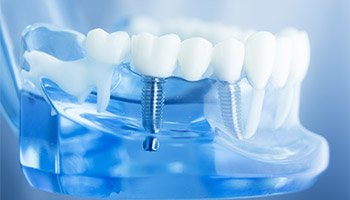
Denture inplants are dentures attached to dental implants placed in the jawbone. Unlike traditional dentures that sit on the gums, implant-supported dentures lock to implants and stay more stable. This improves chewing, reduces slipping, and helps preserve jawbone volume over time compared with removable dentures.
Who Is a Good Candidate for Denture Inplants?
Oral health basics
Good candidates have healthy gums and enough jawbone to hold implants. If bone is low, bone grafting can often rebuild volume. Denture inplants work for people missing many teeth or a full arch who want a more secure solution.
Medical and lifestyle factors
Certain conditions affect healing. Diabetes should be controlled, and smoking raises the risk of implant failure. Some medications can slow bone healing. A full medical review helps determine if denture inplants are safe.
Realistic expectations
Expect a multi-step process that can take a few months for healing. Function and comfort improve greatly, but maintenance and regular checkups are needed. Results are long-lasting with proper care.
Types of Denture Inplants
Implant‑supported overdentures
These use two or more implants to snap in a removable denture. They are more stable than traditional dentures and easier to clean.
Fixed implant dentures (All‑on‑4 / All‑on‑X)
A full-arch prosthesis is screwed onto multiple implants and can be fixed in place. This option feels most like natural teeth and is not removed daily by the patient.
Locator or bar-retained options
Locator attachments offer simple snap-fit retention, while a bar connects implants for greater support. Each has different cost, retention, and cleaning needs.
The Denture Inplants Process: Step‑by‑Step
Consultation and imaging
A consultation includes oral exam, CBCT 3D imaging, and intraoral photos to plan implant number and placement. This planning reduces risks and improves outcomes for denture inplants Richmond, VA.
Surgery and healing
Implants are placed in the jaw and left to osseointegrate (bond to bone), usually several months. Temporary dentures may be provided during healing.
Final prosthesis fitting
After healing, the final denture is designed with digital workflows and tested for fit and bite. Adjustments ensure comfort and proper occlusion.
Benefits and Possible Risks
Benefits include better chewing, clearer speech, less denture movement, and bone preservation. Risks are infection, implant failure, or nerve irritation. Modern planning, CBCT imaging, and skilled placement lower these risks for denture inplants near Richmond, VA.
Cost, Insurance, and Financing
Cost depends on number of implants, need for bone grafts, and type of prosthesis. Insurance often covers parts of the prosthetic or related procedures but rarely full implant costs. Many practices offer payment plans or third‑party financing.
Care and Maintenance for Denture Inplants
Daily cleaning with a soft brush, interdental brushes, and specialized floss keeps implants healthy. Removable overdentures should be cleaned nightly. Regular dental visits let your team check for loosening, inflammation, or wear.
Common Patient Questions About Denture Inplants
Is it painful? Most patients have manageable discomfort after surgery and healing is routine. How long do they last? With good care, implants can last decades. Can I eat normally? Yes — foods are easier to eat than with traditional dentures. What about smoking? Smoking raises failure risk and is best stopped before and after implant surgery.
Why Choose Steadman Family Dentistry for Denture Inplants
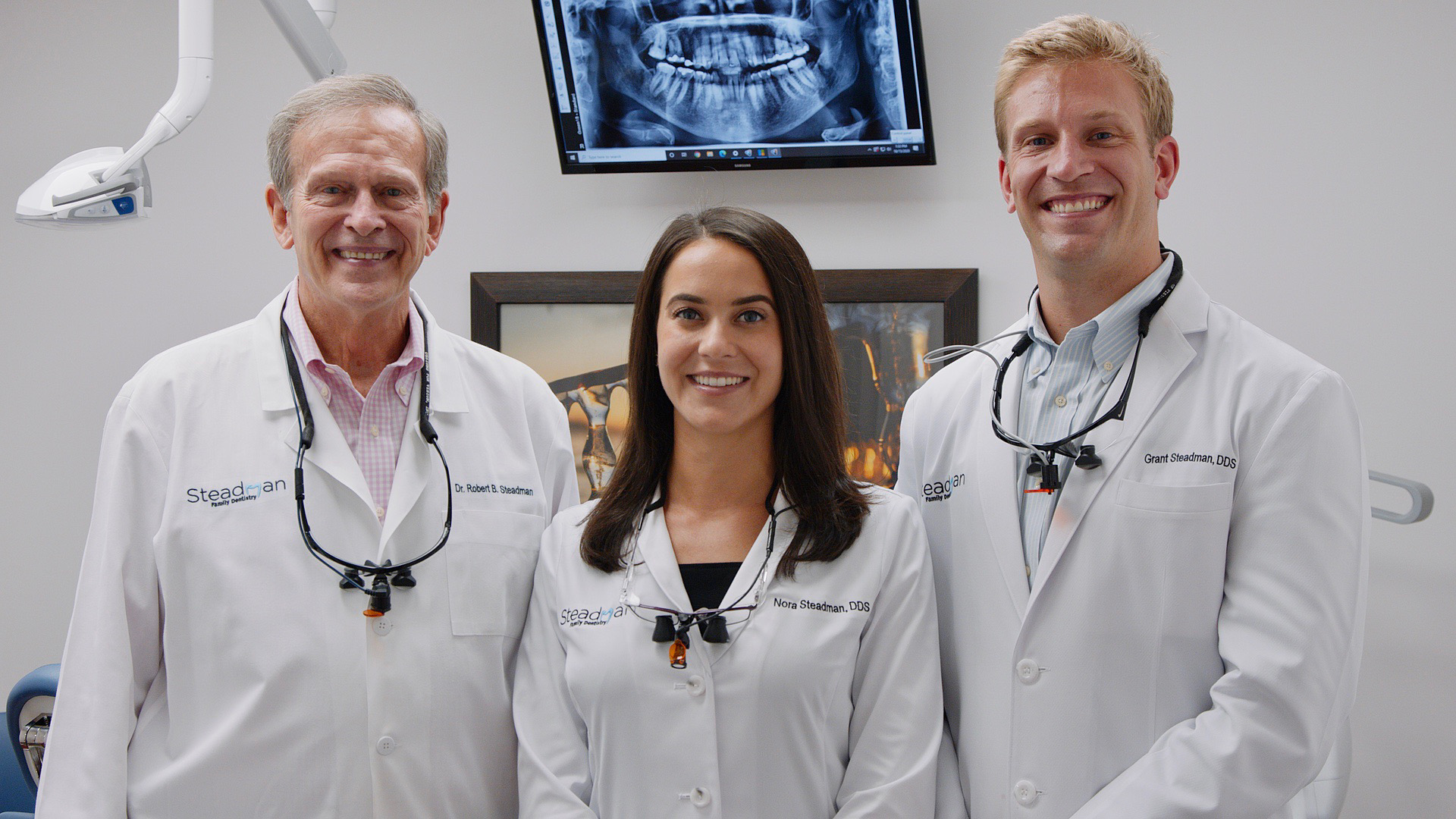
Steadman Family Dentistry in Richmond, VA offers experienced implant dentists (Dr. Robert B. Steadman and Dr. Grant Steadman), on-site CBCT imaging, Digital Smile Design, Tekscan occlusal analysis, and clear, patient-focused planning. Their technology and experience help deliver predictable results for denture inplants Richmond, VA patients.
Next Steps: Schedule a Consultation
To learn if denture inplants near Richmond, VA are right for you, schedule a consultation. Bring a list of medications, any recent dental records, and questions about the process, cost, and healing. The team will review options and create a clear plan tailored to your needs.