In the intricate journey of dental health, comprehending the concept of ‘abutment dental’ plays an essential role for patients considering dental implants. At Steadman, Robert’s family dental practice in Richmond, VA, we prioritize clarity and reassurance by providing a thorough understanding of these vital components.
What is an Abutment Dental?
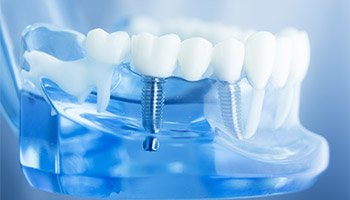
The term ‘abutment dental’ refers to an indispensable component in dental implants. Serving as a connector, the abutment links the implant fixture, which resides in the jawbone, to the prosthetic tooth or crown. Understanding its role helps patients visualize the framework supporting their dental restorations.
Different Types of Abutments
Standard vs. Custom Abutments
Abutments can be broadly categorized into standard and custom types. Standard abutments are pre-fabricated and available in various sizes and angles. They offer a cost-effective solution for many traditional implant cases. Custom abutments, however, are tailored to the precise contours of a patient’s mouth, offering a superior fit and aesthetic appearance, especially crucial for front-tooth restorations.
Materials Used in Abutments
Manufacturers use various materials to create abutments, including titanium, zirconia, and ceramic. Titanium is renowned for its strength and durability, making it a prevalent choice. Zirconia, on the other hand, is celebrated for its natural tooth-like color, providing an aesthetic advantage in visible areas of the mouth.
Benefits of Dental Implant Abutments
Stability and Functionality
Dental implant abutments excel at providing stability, ensuring that the prosthetic teeth function as efficiently as natural teeth. This stability enhances chewing efficiency and allows patients to maintain normal dietary habits comfortably.
Improved Oral Health Outcomes
Implants with well-placed abutments can deter bone loss and maintain facial structure, vital benefits that preserve patients’ oral health over the long term, offering a more sustainable solution compared to dentures.
Dental Implant Process Explained
Initial Consultation
Our practice focuses on thorough consultations to design tailored treatment plans. A comprehensive examination and imaging enable us to assess bone quality and structure essential for successful implant placement.
Surgery and Placement
During the surgical phase, we place the implant into the jawbone. After healing, we secure an abutment on the implant fixture, creating a stable base for the crown.
Recovery and Long-Term Care
Recovery involves meticulous care but less discomfort than anticipated. Patients often return to daily activities quickly, and consistent oral hygiene ensures the longevity of the implants. For more information on post-surgery care, see our guide to caring for your dental implants.
Common Concerns and Misconceptions
Pain and Recovery Expectations
Many worry about pain, but advancements in dental procedures and sedation techniques ensure patient comfort throughout the process. Our approach at Steadman, Robert’s practice prioritizes minimizing discomfort and speedily enhancing recovery.
Cost Factors and Financial Planning
The perception of cost often deters patients. However, implant durability reduces future dental costs. Our practice provides transparent consultations, outlining potential insurance coverage and financing options.
How Steadman, Robert Practice Stands Out
Advanced Technology in Use
We employ cutting-edge technology to maximize precision and patient outcomes. From digital imaging to 3D mock-ups, our focus is on tailored solutions that best meet our patient needs.
Personalized Treatment Plans
Our approach is distinguished by individualized care strategies. We involve patients at every decision point, ensuring the final results meet their aesthetic and functional expectations.
Frequently Asked Questions
What is an abutment in a dental implant?
An abutment acts as a connector between the dental implant and the crown. It ensures the crown remains securely in place, mimicking the function and appearance of natural teeth. For more details, check out our comprehensive guide on what is an abutment for a dental implant.
How long does the entire process take?
The dental implant process often spans several months, allowing the implant to integrate with bone tissue securely before crown placement.
Are there risks associated with implant abutments?
While generally safe, potential risks include infection or issues with bone integration. Selecting a reputable practice minimizes these risks.
How do I care for my implants post-surgery?
Post-surgery care involves regular cleaning akin to natural teeth. Consistent follow-ups help monitor implant health.
Can children receive implants?
Implants are typically recommended for adults post jaw growth, but our practice offers alternative pediatric solutions to ensure children’s dental health.
Conclusion & Call to Action
Understanding the role of dental abutments empowers patients and enhances their long-term smile health. Whether considering an implant or exploring options, contacting Steadman, Robert’s practice for a personalized consultation is a pivotal step toward optimal dental health. Schedule your visit to learn how our innovative approaches can transform your experience and outcomes.