A dental implant fixture is the metal post placed into the jawbone that anchors a replacement tooth. This post explains the parts, how it’s placed, care, risks, costs, and how Steadman Family Dentistry can help.
What Is a Dental Implant Fixture?
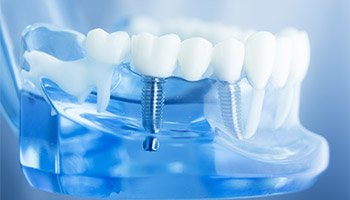
A dental implant fixture is the metal or ceramic post surgically placed into the jaw to replace a missing tooth root. The fixture sits below the gum line and fuses with bone over time. It is different from the visible crown; the fixture provides the stable base that supports the abutment and crown. If you’re searching for a dental implant fixture Richmond, VA, understanding this difference matters for treatment planning.
The Three Main Parts: Fixture vs Abutment vs Crown
The fixture (implant body)
The fixture is usually made from titanium or zirconia. It’s shaped like a screw and is designed for osseointegration — the process where bone grows tightly around the implant. A quality dental implant fixture Richmond, VA should match your bone size and shape to provide long-term stability and support chewing forces.
The abutment
The abutment is a small connector that fits onto the fixture and holds the crown. It can be metal or ceramic and is either placed at the same time as the fixture or after the fixture has healed. The abutment creates a secure link between the hidden fixture and the visible tooth.
The crown
The crown is the visible tooth replacement. Crowns are commonly made from porcelain, ceramic, or porcelain-fused-to-metal. They are shaped and colored to match your natural teeth and attach to the abutment to restore function and appearance.
How a Dental Implant Fixture Is Placed
Evaluation and planning
Treatment begins with a dental exam, medical history review, and imaging like CBCT and intraoral scans. These tools let the dentist measure bone volume, locate nerves and sinuses, and plan the exact placement. Thorough planning helps minimize complications and speeds recovery, especially when placing a dental implant fixture Richmond, VA.
Surgical placement and healing
During surgery, local anesthesia is used and the fixture is placed into the jawbone. The gum is sutured and the implant heals over weeks to months while osseointegration occurs. Most cases are comfortable with mild swelling and short-term pain control.
Restoration
After the fixture fuses with bone, the abutment is attached and an impression or digital scan is taken for the crown. The permanent crown is then placed and adjusted for fit and bite.
Who Is a Good Candidate for an Implant Fixture?
Good candidates have adequate bone volume, healthy gums, and controlled medical conditions. Smoking, uncontrolled diabetes, or severe bone loss can complicate success. Age alone isn’t a barrier, but children whose jaws are still growing should wait.
Common Risks and How They’re Minimized
Risks include infection, implant failure, nerve irritation, or sinus issues. Using CBCT imaging, careful planning, sterile technique, and experienced clinicians reduces these risks. Early intervention for any pain, loosening, or swelling improves outcomes.
Daily Care and Long-Term Maintenance
Care for implants like natural teeth: brush twice daily, floss or use interdental brushes, and attend regular dental checkups. Watch for loosening, persistent pain, or gum changes and call your dentist if they occur. Routine cleanings help prevent peri-implantitis.
Factors That Affect Cost and Timeline
Cost and timeline vary by fixture type, need for bone grafts or sinus lifts, imaging, and clinician experience. More complex cases require extra procedures and longer healing. Digital planning can make treatment more efficient but may add to upfront cost.
Why Steadman Family Dentistry for Dental Implant Fixtures
Steadman Family Dentistry in Richmond, VA offers experienced doctors who use CBCT and digital workflows for precise planning. Our team focuses on clear communication and patient-centered plans to improve comfort and results for implant care.
If you’re considering a dental implant fixture Richmond, VA, schedule a consultation to evaluate bone, medical history, and goals. We’ll provide a personalized plan and explain options so you can make a confident choice. We believe in providing personalized care, a core value of Steadman Family Dentistry.