Intro An implant replaces a missing tooth with a metal post placed in the jaw, and an abutment is the small part that connects that post to your new tooth. This guide explains what an abutment for a tooth implant does, the types and materials available, common issues, and the questions to ask your dentist so you can make a confident choice.
What is an abutment for a tooth implant? Simple definition
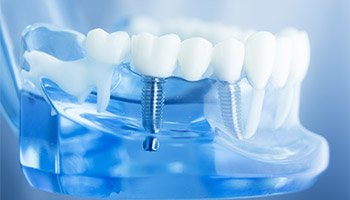
An abutment is the connector piece that joins the implant fixture (the metal post in the bone) to a crown, bridge, or denture. If you’re asking “what is an abutment for a tooth implant in Richmond, VA,” think of it as the adapter between the part under your gum and the visible replacement tooth. It lets the final restoration sit securely and lets your dentist shape the gum and bite for a natural look.
How an abutment fits into the implant process
After the dentist places the implant post, the bone must heal and fuse to it—a process called osseointegration. Once healed, the dentist exposes the post and places an abutment. Sometimes a temporary (healing) abutment is used while gums shape and a lab makes the final crown. The dentist takes an impression or digital scan, then the lab fabricates the final restoration that attaches to the abutment. Timing can vary from a few weeks to several months depending on healing and complexity.
Types of abutments
Stock vs. custom abutments
Stock abutments are pre-made and cost less. Custom abutments are made to match your tooth position and gum shape for better fit and esthetics. Custom options usually look better and can improve long-term health around the implant.
Temporary (healing) vs. permanent abutments
Temporary abutments hold the space and shape the gum while healing. Permanent abutments are designed for strength and final look. Your dentist may switch a temporary for a permanent abutment after tissue heals.
Straight vs. angled abutments
Straight abutments work when the implant is well aligned. Angled abutments correct the tilt of implants placed at an angle or improve how the tooth looks and functions, especially in the front of the mouth.
Common abutment materials and what they mean
Titanium and titanium alloys are strong, biocompatible, and commonly used. Zirconia is tooth-colored and preferred for front teeth where esthetics matter. Titanium is less costly and proven over time; zirconia can reduce metal show-through and is chosen for better looks. True metal allergies are rare; if you have a known allergy, tell your dentist.
How abutment choice affects esthetics, function, and cost
Custom abutments and zirconia materials generally improve esthetics but raise cost. Complex cases—multiple teeth or full-arch work—require more planning and can extend timeline and price. Proper abutment choice helps bite function, comfort, and long-term success.
Common problems with abutments and how they’re handled
Loosening or screw issues
Screws can loosen or break. Signs include movement or discomfort. Dentists can retighten, replace the screw, or remake the abutment if needed.
Gum recession or esthetic concerns
Recession can expose metal or make teeth look long. Causes include thin tissue, trauma, or poor hygiene. Solutions include soft-tissue grafts or switching to a different abutment material.
Cleaning, maintenance, and preventing complications
Brush and floss around implants daily, use interdental brushes or water flossers, and see your dentist for regular checks. Report pain, looseness, or swelling right away.
Questions to ask your dentist about abutments
– Which abutment material do you recommend and why? – Will you use a stock or custom abutment? – Is a temporary abutment needed, and how long? – What is the expected lifespan and warranty? – How will you plan implant position (CBCT, digital scan)? – What are estimated costs and any additional fees?
Why choose Steadman Family Dentistry for implant abutment care
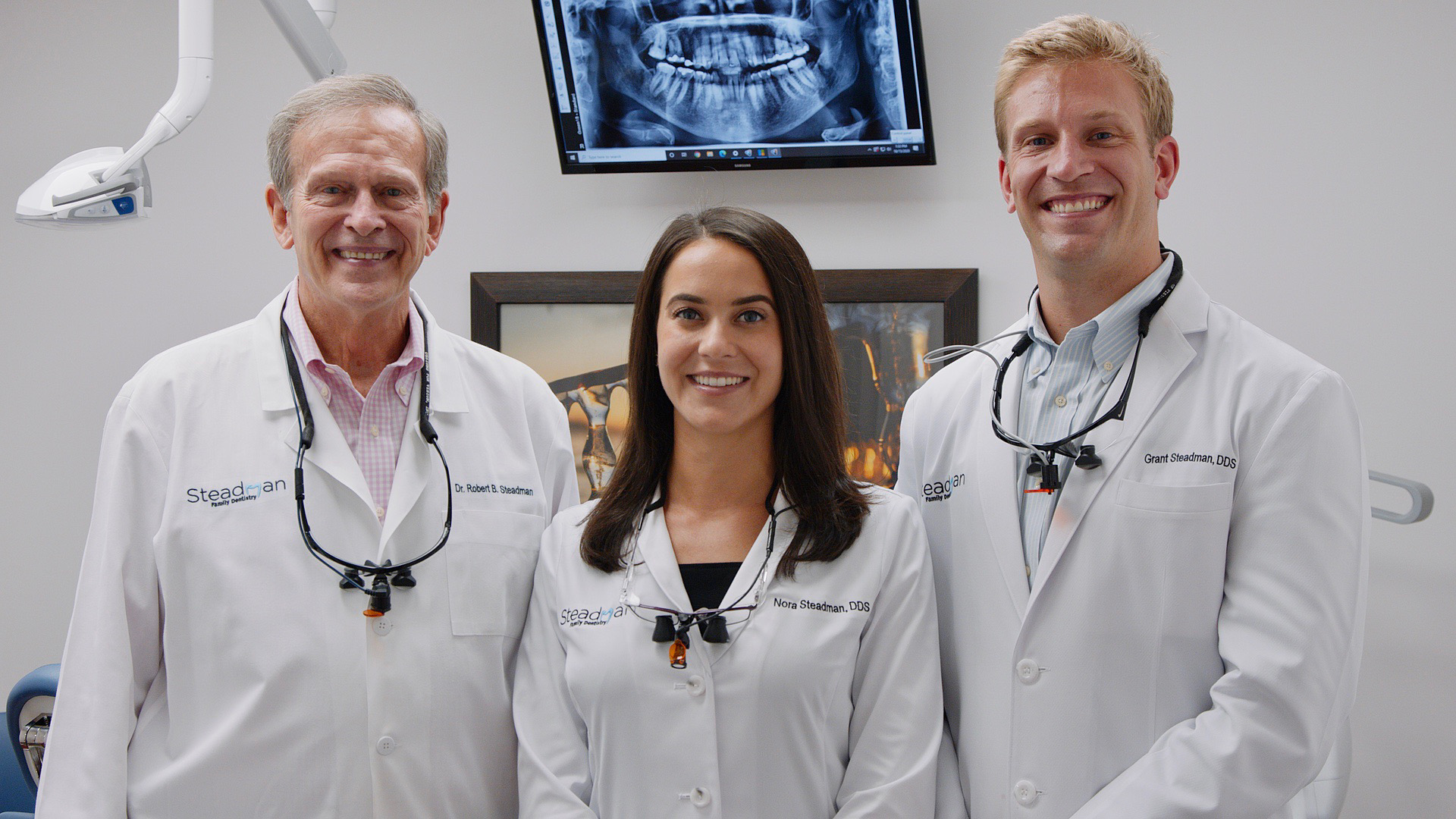
Steadman Family Dentistry in Richmond, VA offers experienced implant care with on-site CBCT, intraoral scanning, and Digital Smile Design to plan abutments precisely. The team focuses on clear communication and restorative outcomes to help you get a natural, lasting result.
Next steps and call to action
If you’re ready to learn more about abutments or implant options, schedule a consultation. Bring any prior imaging and your list of questions to get the most from your visit.