
If you’ve ever wondered, “What is an abutment in dentistry?”, you’re not alone. For those considering dental implants or related procedures, understanding the role and importance of an abutment is crucial. In this comprehensive guide, we’ll clarify this fundamental component of dental restoration, ensuring you have all the information needed for informed decisions about your dental health.
Understanding Dental Abutments
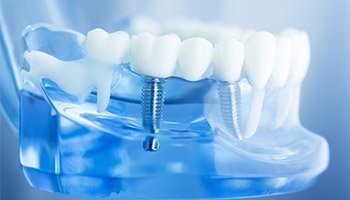
Simply put, a dental abutment bridges the gap between a dental implant and the final prosthetic appliance, such as a crown or denture. It functions as an anchor, providing the necessary support to hold a prosthetic tooth or set of teeth in place. Recognizing the dental abutment definition is vital for grasping how various dental treatments work and why an abutment’s material and fit matter greatly.
Types of Dental Abutments
Dental abutments come in different materials, each offering distinct advantages. Common materials include titanium, zirconia, and gold, chosen based on durability, aesthetic needs, and compatibility with your oral condition. Additionally, abutments can be either custom-made to fit your unique anatomy or prefabricated, offering more standard solutions at a potentially lower cost.
Material Options
Titanium is often chosen for its strength and biocompatibility, reducing the risk of allergic reactions. Zirconia, on the other hand, is favored for its tooth-like color, ideal for front teeth restorations where appearance is paramount.
Custom vs. Prefabricated
Custom abutments are tailored precisely to your gum line and implant, ensuring a perfect fit and optimal aesthetic result. Prefabricated abutments is a cost-effective option, suitable for straightforward cases.
The Role of Abutments in Dental Implants
An abutment acts as a crucial intermediary between the implant and the prosthetic tooth, providing the stability needed for function. Ensuring a tight connection is essential for preventing issues like tooth shifting or breakage under normal chewing pressure.
How Abutments Affect the Outcome
The choice of abutment greatly influences the final aesthetic and functional result of the implant. A well-chosen abutment complements the prosthetic’s shape and color, enhancing the natural appearance of restored teeth. It also contributes to how comfortably teeth fit together, impacting your bite and overall oral health.
The Procedure: What to Expect
The process of placing an abutment typically involves minor oral surgery once the implant has fused to the jawbone. Here’s a step-by-step breakdown:
- Anesthetic is applied to ensure comfort during the procedure.
- The gum is carefully opened to reveal the implant.
- The abutment is attached securely to the implant, and the gum is closed around it, allowing only the post to stick out.
- Healing occurs over several weeks, during which your custom prosthetic is crafted.
Advantages of Choosing the Right Abutment
Selecting an appropriate abutment enhances both the comfort of your dental restoration and its long-term success. It ensures better gum health and an aesthetically pleasing outcome that mimics natural teeth, playing a pivotal role in patient satisfaction.
Differences in Abutment Materials
Material choice is weighed against factors such as price, durability, and appearance. Here’s a brief comparison:
- Titanium: Durable and cost-effective, often seen as the standard choice.
- Zirconia: Excellent for visible front teeth due to its natural appearance but might be more expensive.
- Gold: Less common today, used primarily for its historical toughness and biocompatibility.
Why Choose Steadman, Robert for Your Abutments
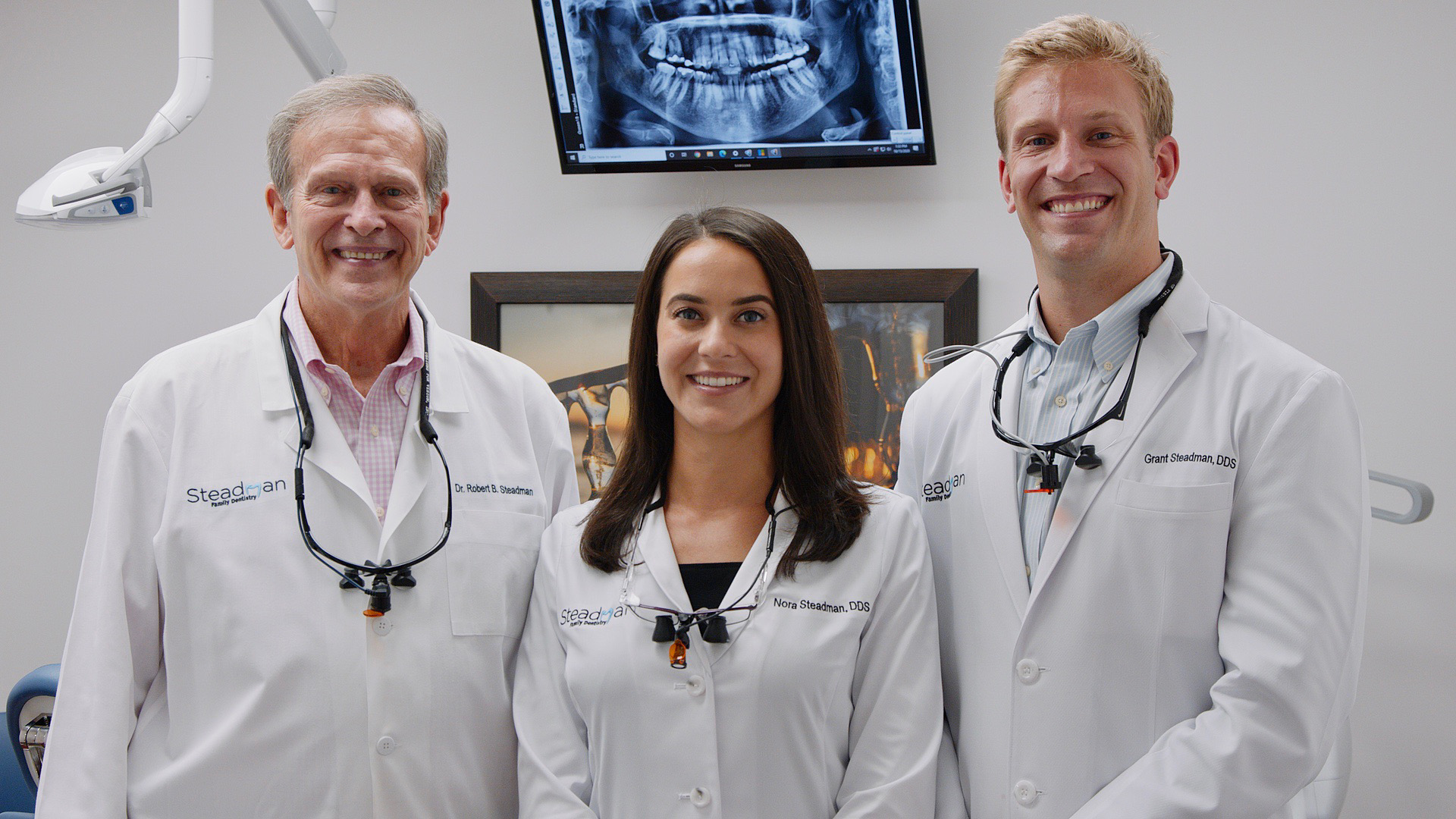
At our Richmond, VA location, we pride ourselves on patient-centered care tailored to your unique needs. Under Dr. Steadman’s expert guidance, our use of cutting-edge technology ensures precise treatment planning and superior outcomes that reflect our commitment to excellence in dentistry.
FAQs
What is the typical timeline for abutment placement?
The timeline varies but typically ranges from three to six months after implant placement, allowing time for osseointegration.
Are there any special care instructions following abutment surgery?
Patients should follow standard oral hygiene practices, avoid hard foods immediately post-surgery, and attend follow-up appointments for optimal outcome.
Will insurance cover the cost of abutments?
Insurance may cover part of the procedure; however, it’s best to verify with your provider and discuss options with our billing department.
Can abutments cause any discomfort?
Some sensitivity is normal post-procedure, but prolonged discomfort should prompt a consultation with your dentist to address potential issues.
What if an abutment becomes loose?
If your abutment feels loose, contact our practice promptly to prevent further complications.
Conclusion: Take the Next Step to Restore Your Smile
Now that you know ‘what is an abutment‘ in dentistry and its significance in dental restoration, you may be ready to explore your options. To discover how we can restore your smile with expert care tailored to your needs, contact Steadman, Robert at our practice and schedule your consultation today.