

If you’re asking “what dentist does implants in Richmond, VA,” you want a provider who can place implants safely, restore function, and deliver a natural-looking result. Choosing the right dentist affects your long-term oral health, your ability to chew comfortably, and how your smile looks for years to come. Here’s what to look for, what to ask, and what to expect from dental implants in Richmond, VA at Steadman Family Dentistry.
Who Actually Places Dental Implants?
Several types of dental professionals place implants, each with different training and focus. General dentists with implant training can handle straightforward, single-tooth cases. Oral and maxillofacial surgeons manage complex surgical placement, including bone grafting and full-arch cases. Periodontists, who specialize in gum and bone health, are often involved when supporting tissue needs extra care. Prosthodontists focus on the restorative side, designing the crown, bridge, or denture that completes the implant. In many cases, an experienced general dentist coordinates the entire process, working with specialists as needed.
What Qualifications Should You Look for in an Implant Dentist?
Formal Training and Certifications
Implant placement isn’t a standard part of dental school curriculum, so look for dentists with implant-specific training beyond their degree: fellowships, continuing education, and memberships in organizations like the International Congress of Oral Implantologists (ICOI), the ITI, or the Academy of General Dentistry. These credentials signal an ongoing commitment to current techniques and patient safety.
Clinical Experience and Case Volume
Ask how many implants the dentist has placed and what types of cases they typically handle, whether that’s single-tooth replacements, multiple implants, or full-arch restorations. Higher case volume and varied experience generally translate to better troubleshooting and more predictable outcomes.
Use of Modern Technology
Modern imaging and planning tools significantly improve safety and precision. CBCT 3D imaging, digital workflows, intraoral cameras, and guided surgery let a dentist map your bone volume, plan around nerves, and place implants with greater accuracy. This reduces surprises during surgery and typically speeds up recovery.
What Questions Should You Ask During an Implant Consultation?
A good consultation should cover diagnosis and planning, including how the dentist assesses your bone density, nerve positioning, and bite, and whether they use CBCT imaging and digital smile design so you can preview your expected results before committing to treatment. You’ll also want clarity on procedure details: who will actually place the implant, what the healing timeline looks like, and whether you’ll receive a temporary tooth the same day or wait for your final restoration. Finally, ask about risks, success rates for cases similar to yours, and non-implant alternatives such as bridges or removable dentures. A trustworthy provider will walk you through realistic outcomes rather than only the best-case scenario.
How Much Do Dental Implants Cost, and Does Insurance Help?
Implant costs vary based on the number of teeth being replaced, whether bone grafting is needed, and the type of final restoration. Most dental insurance plans cover at least part of the restorative crown or bridge, but rarely cover the implant post itself in full. Many practices, including Steadman Family Dentistry, offer financing and payment plans to help spread the cost of treatment over time, making implants more accessible regardless of your insurance situation.
What Does the Dental Implant Process Involve?
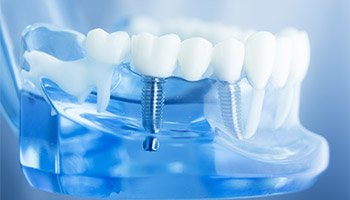
Treatment typically begins with a consultation and 3D imaging to evaluate your bone structure and plan the ideal implant position. Next comes surgical placement of the implant post, usually under local anesthesia or sedation for comfort. Over the following weeks to months, the implant fuses with the jawbone in a process called osseointegration. Once healing is complete, your dentist attaches the final crown, bridge, or denture. Some patients are candidates for a temporary tooth the same day as surgery, while others need to wait until healing is complete. Expect some short-term soreness managed with over-the-counter or prescribed pain medication, along with a few follow-up visits to monitor healing.
Why Patients Choose Steadman Family Dentistry for Implants in Richmond
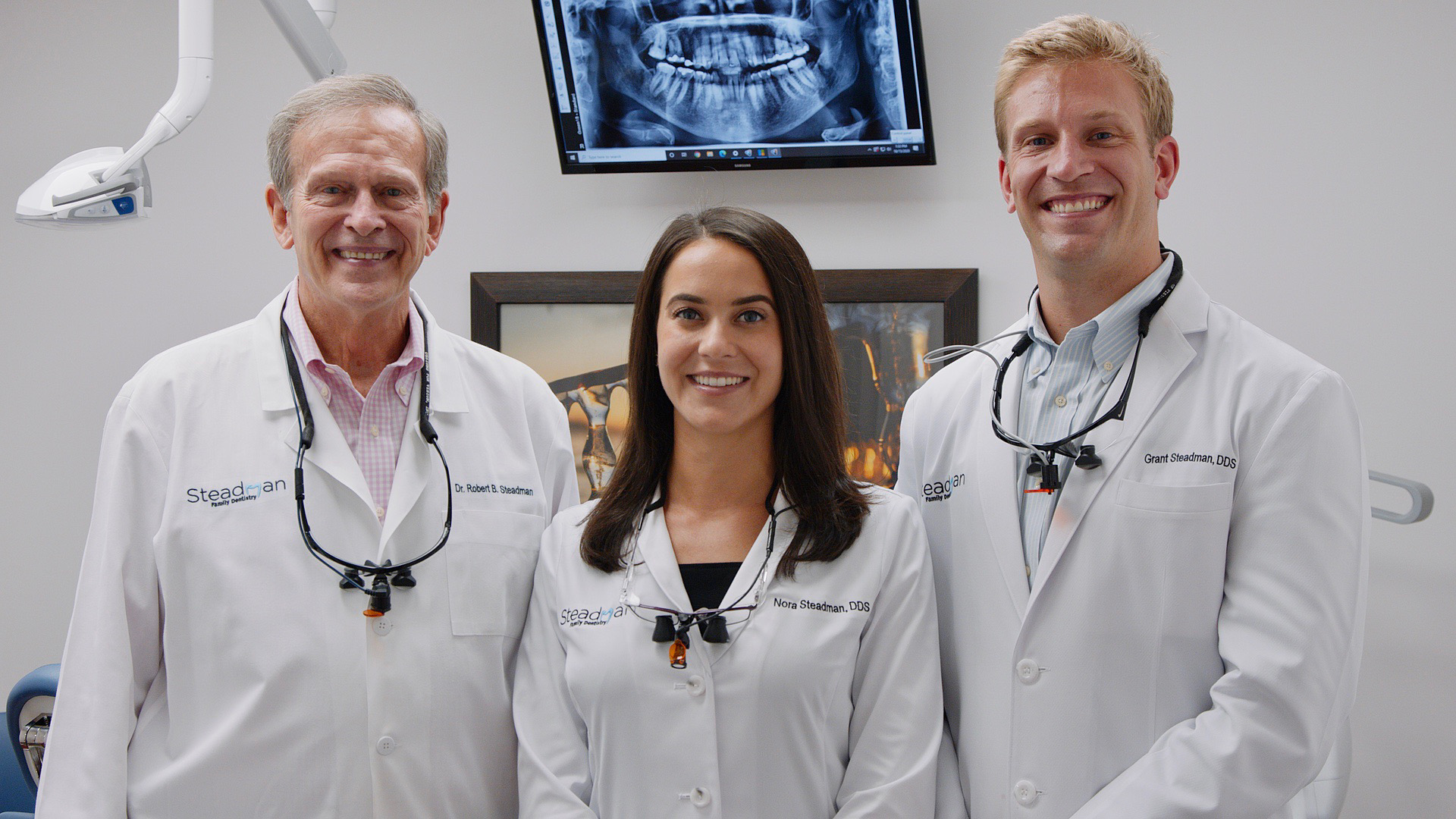
Steadman Family Dentistry offers experienced implant providers, Dr. Robert B. Steadman and Dr. Grant Steadman, along with on-site CBCT imaging and digital smile design technology. Their approach centers on clear communication, safety, and outcomes-driven care, helping patients throughout Richmond, VA get a reliable, natural-looking result from consultation through final restoration.
Frequently Asked Questions
How long do dental implants last? With proper care, dental implants are designed to last decades and can serve as a permanent solution for most patients.
Is getting a dental implant painful? Most patients report less discomfort than expected. The procedure is performed under local anesthesia or sedation, and any soreness afterward is typically mild and manageable.
Can any dentist place dental implants? Not every general dentist places implants. Look for a provider with specific implant training, relevant case experience, and modern imaging technology like CBCT.
How do I know if I’m a candidate for dental implants? Adequate bone volume and healthy gums support implant success, but a consultation with 3D imaging is the only reliable way to confirm candidacy, since bone loss doesn’t automatically rule someone out.
What happens if I don’t replace a missing tooth? Leaving a gap can lead to jawbone loss, shifting teeth, an altered bite, and a higher risk of gum disease over time.
Does Steadman Family Dentistry offer financing for dental implants? Yes. The practice offers financing and payment plan options to help make implant treatment accessible.
Can I get a single implant, or do I need multiple? Both are possible. Single implants replace individual missing teeth, while multiple implants can support a bridge or full-arch restoration for patients missing several teeth.
Ready to Find the Right Implant Dentist in Richmond?
Prepare your questions, ask to see before-and-after photos or case examples, and confirm the practice uses CBCT and digital planning. Schedule a consultation with Dr. Robert B. Steadman and Dr. Grant Steadman to review your X-rays and get a personalized implant plan, or call (804) 575-5865 to get started.