Implanted teeth are replacement teeth anchored to the jaw with a metal post that acts like a natural tooth root. This article explains who can get implanted teeth, how they’re planned and placed, what recovery looks like, common risks, cost factors, and when to talk to a dentist about implants.
What are implanted teeth?
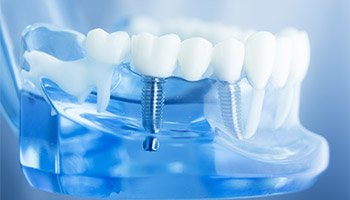
Implanted teeth are made of three parts: a titanium implant post placed in the jaw, an abutment that connects the post to the visible tooth, and a crown or prosthesis that looks and functions like a real tooth. Once the bone fuses to the post, implanted teeth feel and chew much like natural teeth and don’t rely on neighboring teeth for support.
Who is a good candidate for implanted teeth?
Good candidates have healthy gums, enough jawbone to hold an implant, and no uncontrolled medical issues that impair healing. Smoking, poorly managed diabetes, or active gum disease can raise the risk of failure. Age alone isn’t a barrier—many older adults benefit from implants. Patients often choose implanted teeth over dentures or bridges for improved comfort, chewing ability, and to preserve nearby teeth.
How implanted teeth are planned
Diagnosis and imaging
Planning starts with a clinical exam, X-rays, and often a CBCT 3D scan to measure bone volume and locate nerves. These images let the dentist plan ideal implant position and size to reduce risk and improve outcomes.
Treatment options and timeline
Options include single-tooth implants, multiple implants with bridges, or full-arch restorations (including “All‑on‑4” styles). Timeline varies: single implants can take 3–6 months from placement to final crown, while complex cases with bone grafting or full-arch work may take longer.
Step-by-step: placing implanted teeth
On the surgical day the implant post is placed into the jaw under local anesthesia; oral or IV sedation can be used for comfort. After placement, a healing period called osseointegration allows bone to fuse to the post. Once healed, an abutment and final crown or prosthesis are attached, completing the implanted teeth.
Recovery and caring for implanted teeth
Short-term recovery may include swelling, minor pain, and soft-food diet for a few days. Over-the-counter or prescribed pain meds and cold packs help manage symptoms. Long-term care is like natural teeth: daily brushing, flossing or interdental cleaning, and routine dental exams and cleanings to protect implanted teeth and surrounding tissues.
Risks, complications, and lifespan of implanted teeth
Possible complications include infection, implant failure, or nerve irritation. Success rates are high—typically above 90–95%—but depend on bone quality, oral hygiene, smoking, and systemic health. With good care, implants can last decades; restorations (crowns) may need replacement sooner.
Cost, insurance, and financing for implanted teeth
Cost depends on number of implants, need for grafting, implant brand and materials, and the final restoration type. Dental insurance may cover part of restorative costs but often excludes the implant post itself. Many practices and third-party lenders offer financing to spread payments.
About Steadman Family Dentistry and why patients choose us
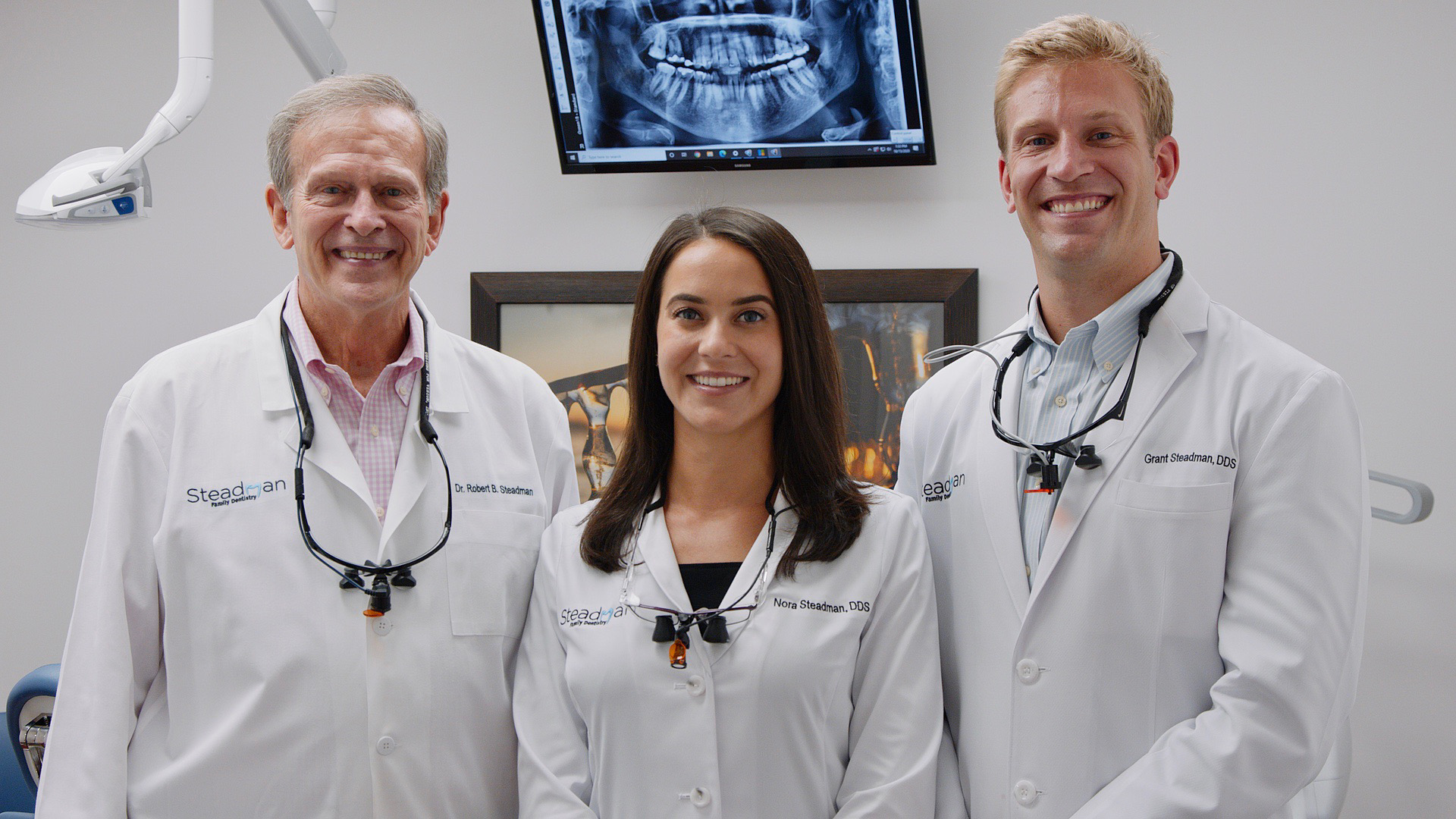
Steadman Family Dentistry provides implant care and digital planning for implanted teeth in Richmond, VA. We use CBCT 3D imaging, digital workflows, and experience from Drs. Robert and Grant Steadman to create predictable, patient-centered care with clear treatment plans.
Next steps: Is implanted teeth right for you?
If you’re missing teeth or struggling with dentures, schedule a consultation to evaluate candidacy for implanted teeth and receive a personalized plan. A brief exam and imaging will clarify options and timing for your smile.