
“Fixed teeth” means a restoration that’s permanently attached in your mouth — not removed for cleaning like a denture. Dental implants are the primary way to achieve fixed teeth, whether you’re replacing a single tooth, several teeth in a row, or an entire arch. For most healthy adults with adequate jawbone, implants are the strongest, longest-lasting fixed option available; the right implant solution just depends on how many teeth you’re replacing.
If you’re tired of a removable denture that shifts, or you’re facing tooth loss and want something permanent, “fixed teeth” is likely the phrase you’ve been searching. Here’s what it actually means and how Dr. Steadman and our Richmond, VA team help patients get there.
What “Fixed Teeth” Means
Fixed teeth are restorations permanently attached in your mouth — you don’t take them out at night, and they don’t rely on suction or adhesive to stay in place. This is the core difference between a fixed solution and a traditional removable denture, and it’s why most patients who can qualify for implants prefer them.
Dental Implant Options That Give You Fixed Teeth
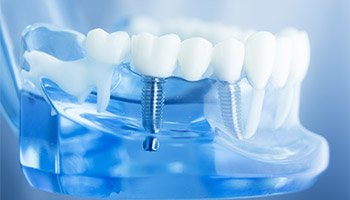
Single implant with crown. Replaces one missing tooth with a titanium post and custom crown, standing entirely on its own without touching the teeth next to it.
Implant-supported bridge. Replaces several missing teeth in a row, anchored to two or more implants rather than relying on natural teeth for support.
Fixed full-arch solutions (All-on-4 / fixed denture). For patients missing most or all of their teeth in an arch, a fixed prosthesis is anchored to as few as four implants — see our full breakdown on full mouth dental implants if this sounds like your situation.
What to Expect: Treatment Steps, Recovery, and What Affects Cost
Treatment starts with a consultation and imaging to evaluate your jawbone and plan implant placement. Implants are placed surgically under anesthesia, followed by a healing period of two to six months while the implant fuses with your jawbone (osseointegration), and finishes with placement of your final restoration. Recovery typically involves mild swelling for a few days, with most patients back to normal activities quickly. Cost depends on how many implants you need, whether bone grafting is required, and which final restoration you choose — our Richmond, VA implant dentist page covers common cost questions in more detail.
Making the Decision: Are Dental Implants the Best Choice for Fixed Teeth?
Implants are likely the best option when: you’re in good general health, have sufficient jawbone density (or are open to bone grafting), and want a long-term, low-maintenance solution rather than something you’ll need to replace or adjust every few years.
Other options may be better when: you have certain medical limitations that make surgery riskier, insufficient bone that you’d rather not graft, or budget constraints that make a more conservative option, like a traditional bridge or denture, the more practical starting point for now.
Frequently Asked Questions
How long does it take to get fixed teeth with implants? Most cases take three to six months from placement to final restoration, since the implant needs time to fully fuse with your jawbone.
Can I get fixed teeth if I’m missing all my teeth? Yes — full-arch, fixed solutions like All-on-4 are specifically designed for this. Learn more on our full mouth dental implants page.
Is a fixed solution always better than a removable denture? Not for everyone. Fixed solutions offer more stability and better long-term bone preservation, but a removable option may make more sense for certain health or budget situations. We’ll give you an honest recommendation either way.
What if I don’t have enough jawbone for implants? Bone grafting can often build up the site enough to support an implant, even if you were told in the past that you weren’t a candidate.
Ready to Find Out If Implants Are Right for You?
Contact us to schedule a consultation at our Richmond, VA office, or learn more about our full dental implants services.