Experiencing a full arch of missing teeth? There is no doubt that this can affect a person’s smile and even their confidence. Luckily, full mouth dental implants in Richmond, VA can help correct this issue. Even for patients who are experiencing any bone loss in their mouth, full mouth dental implants can be a long-lasting solution.
A trusted dentist can help patients get a brand-new smile using their advanced technologies and this ground-breaking technique. This dental practice can create a treatment plan specifically for every patient.
What To Expect During Your Visit
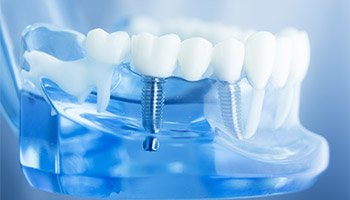
A dental professional in Richmond, VA treats patients in a comprehensive, cutting-edge office with high-quality materials, giving them their best smile yet. The dentist can give each patient an individual consultation and evaluation of their teeth and jaw, creating a customized treatment plan. Next, full mouth dental implants, typically 4-8 implants, will be placed in the most ideal positions for optimal support. Finally, the patients customized, high-quality dental prosthetics can be placed, restoring their smile.
Benefits of Full Mouth Dental Implants
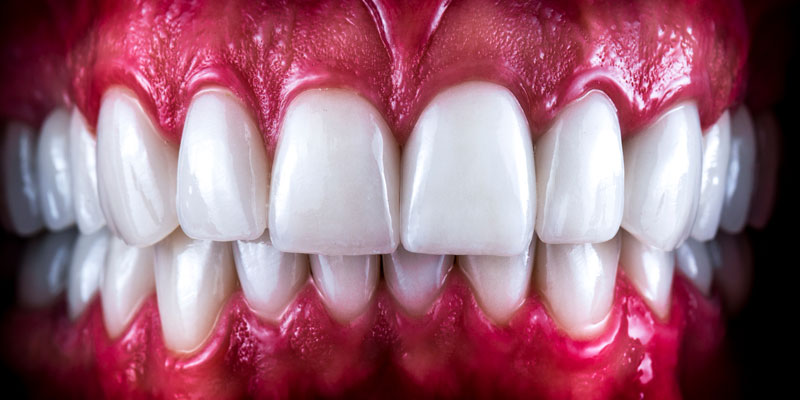
The full mouth dental implant procedure gives valued patients a more functional and aesthetically pleasing smile. This highly advanced procedure offers several other convenient benefits, compared to traditional dental restorations, including:
- High success rates
- Preservation of bone structure
- Cost-effective
- Preservation of surrounding teeth
Get Your New Smile Now!
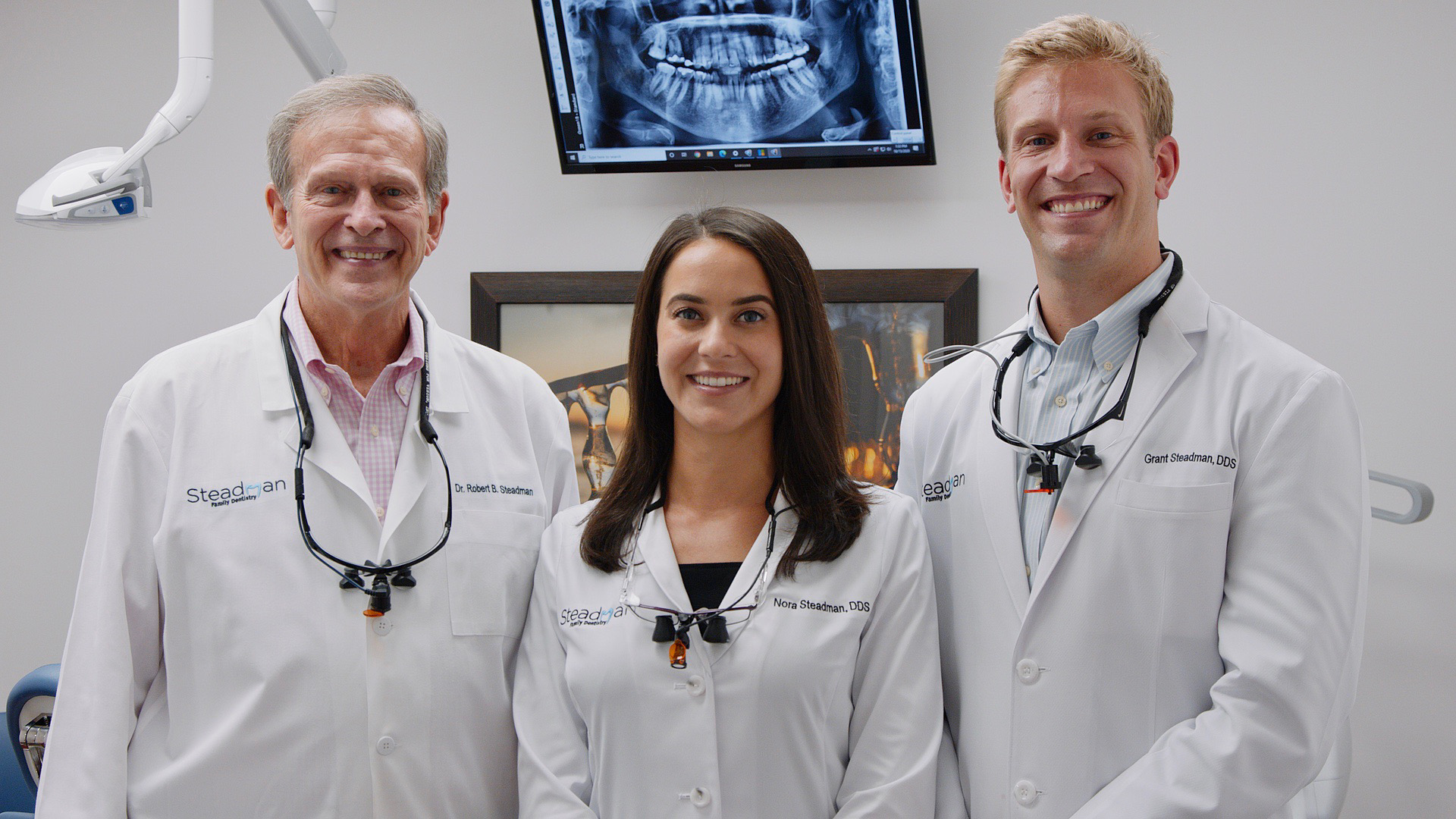
Get in contact with our doctor, Dr. Robert B. Steadman, in our office in Richmond, VA to schedule your next appointment today! We can help you achieve greater oral and overall health with full mouth dental implants.